
June 21 Digest: This Week in Wildfire Recovery News
This is a digest of selected news and media that emerged over the last week related to wildfire emergencies, recovery efforts, and resilience building efforts in the American West.
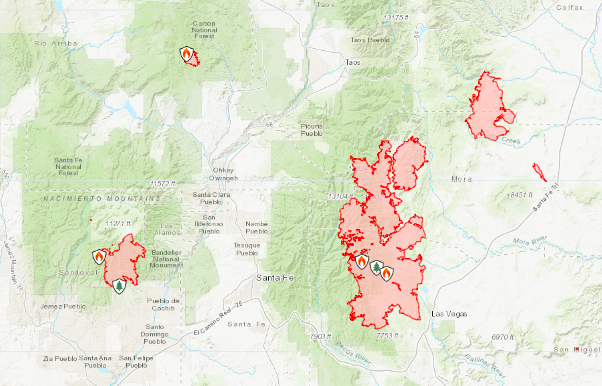
A New Mexico firewatcher describes watching his world burn
From NPR, by Steve Inskeep | June 20, 2022
Interview with a New Mexico firewatcher who has witnessed the Hermits Peak megafire burning since May 13, which has destroyed forest lands he feels a deep personal connection to, and though he has seen other fires there before, this one is different.
4 buildings at observatory in Arizona lost in wildfire
From abc news, by The Associated Press | June 18, 2022
Four non-scientific buildings at the Kitt Peak National Observatory southwest of Tucson have been lost in a wildfire, but early indications show other buildings on the property don't appear to be damaged
Report: Wildfires
From Congressional Budget Office | June 16, 2022
CBO analyzes trends in wildfire activity; considers the effects of wildfires on the federal budget, the environment, people’s health, and the economy; and reviews forest-management practices meant to reduce fire-related disasters.
Native American tribes to co-manage national monument for first time
From The Washington Post, by Maxine Joselow | June 20, 2022
The unprecedented agreement gives five tribes more input in the management of Bears Ears National Monument in Utah
US adds $103M for wildfire hazards and land rehabilitation
From AP News, by Keith Ridler | June 17, 2022
As well as establishing an interagency wildland firefighter health and well-being program, the U.S. is adding $103 million this year for wildfire risk reduction and burned-area rehabilitation throughout the country
N.M. Congressional Democrats Announce Federal Government Will Fully Cover Emergency Watershed Program In Wake Of Historic Wildfires
From hienrich.senate.gov | June 15, 2022
U.S. Senators Martin Heinrich and Ben Ray Luján and U.S. Representatives Teresa Leger Fernández and Melanie Stansbury are welcoming an announcement that the U.S. Department of Agriculture will cover 100% of the costs through the Emergency Watershed Protection Program for debris removal and other measures to address watershed impairments in designated areas of New Mexico impacted by recent wildfires.
As more wildfires loom, concern grows about those who dedicate their lives to fighting them
From CBS News, by Tori B. Powell | June 18, 2022
As wildfires grow in size, frequency and intensity, officials are looking for new ways to fight back. But there's also a new focus on the mental and physical health of those who dedicate their lives to fighting the deadly blazes.
Trial by fire: The trauma of fighting California’s wildfires
From Cal Matters, by Julie Cart | June 13, 2022
Overworked California firefighters struggle with PTSD, suicide, fatigue, intensifying wildfires
CBS probes recruiting and retention problems in the US Forest Service
From Wildfire Today, by Bill Gabbert | June 18, 2022
Saturday morning CBS broadcast an 8-minute piece on national TV that laid out some of the issues causing the recruitment and retention issues for wildland firefighters in the federal land management organizations.
Reno Fire Department and partners utilize goats for wildfire prevention
From reno.gov | June 16, 2022
NV Energy and Nevada Division of Forestry team with City of Reno, again, to help protect Cashill Boulevard corridor
Sonoma County village runs wildfire evacuation drill
From CBS News, by John Ramos | June 18, 2022
About 100 Sonoma County residents practiced fleeing from a wildfire Saturday morning. It was just a drill but they all knew the threat is all too real.
Conservation groups sue feds to protect old-growth forests
From KGW8, by Andrew Selsky | June 15, 2022
The Trump administration amended a protection that had been in place since 1994 that prohibited the harvesting of trees 21 inches or greater in diameter.
Marshall and East Troublesome fire victims offered $10,000 to build disaster-resistant homes
From The Denver Gazette, by Carol McKinley | June 17, 2022
Boulder County is offering $10,000 to people who lost their homes in the Marshall and East Troublesome fires who are willing to build high-efficiency electric homes to better withstand such events in the future.
Areas affected by 2020 Labor Day fires will get 625 affordable homes
From Salem Reporter, by Julia Shumway | June 17, 2022
Grants announced this month will bring affordable homes and apartments to Oregon communities devastated by the wildfires in 2020.
How the survivors of the wildfires PG&E started are being victimized all over again
From The Sacramento Bee, by Robin Epley | June 19, 2022
Many fire victims have found it almost impossible to stay housed while waiting for their money, compounding their trauma.
‘Historic’ weather: why a cocktail of natural disasters is battering the US
From The Guardian, by Gabrielle Canon | June 18, 2022
As the world heats up, weather events will increase and overlap, testing the limits of nation’s resiliency and recovery
Western wildfires’ health risks extend across the country
From Science News, by Megan Sever | June 17, 2022
Those fires devastating communities in the West send bad air traveling, boosting emergency room visits in the East