
Our services are always free of charge. We depend on our partners and donors to support this work.
We Connect
Where Recovery Knowledge Lives
When a fire tears through a community, the hardest thing to find is someone who has already been through it. We find those people. Through our Community to Community program, we bring their hard-won knowledge to communities in active recovery and stay long enough to make sure it actually lands. Every fire we have walked alongside is documented here: what the community faced, what worked, and what we learned.
Peer connections across 15+ fires and 4 states
Best practices, after-action reports, and field lessons — organized by fire
Links to partner organizations, delegates, and community organizers
We pledge to stay for the long haul
We Advocate
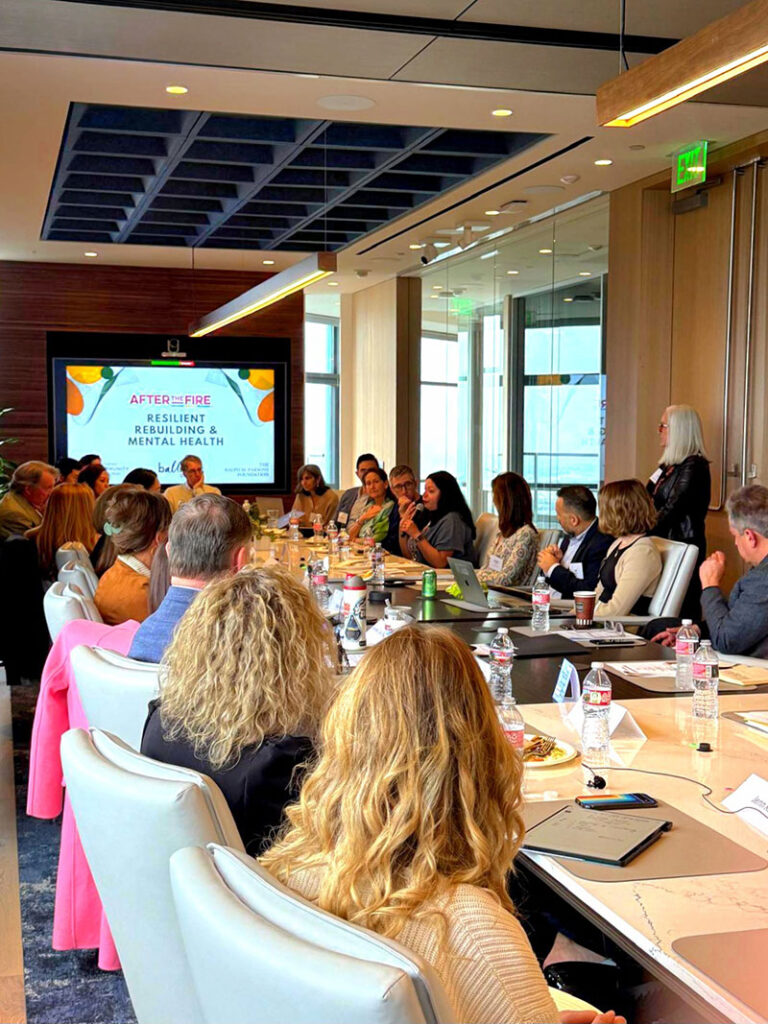
Fighting for Fair Recovery
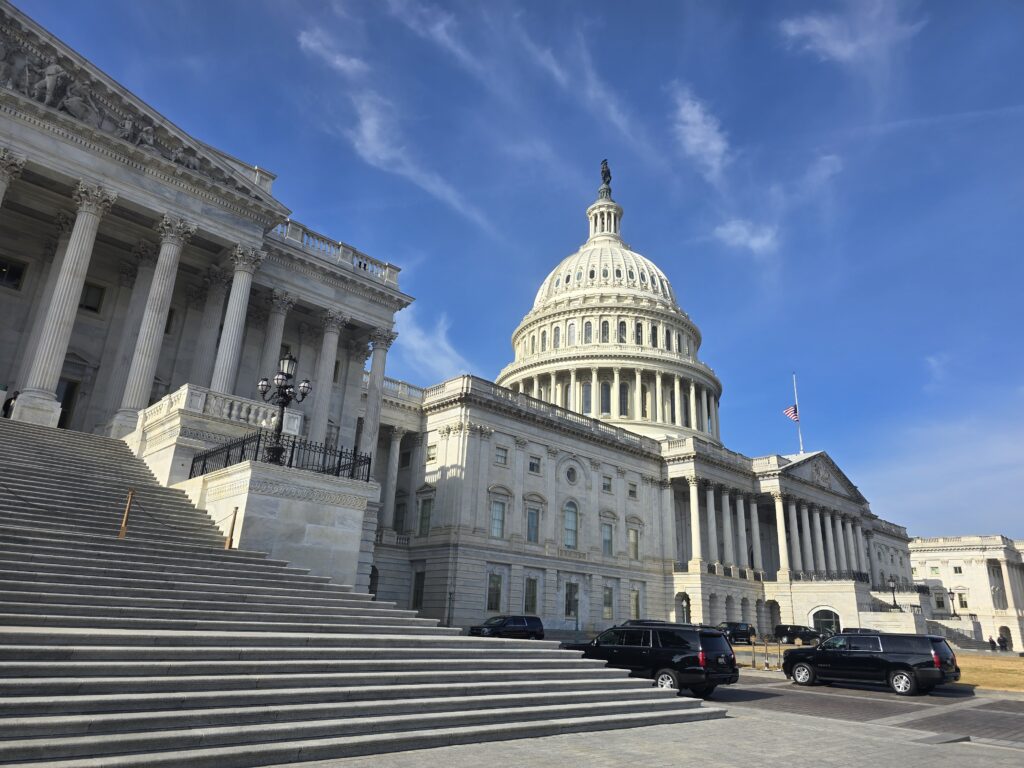
Federal policy rarely keeps up with what fire communities actually need. We show up in Washington with survivors' voices and stay until the policy changes. $6 billion in tax relief so far.
Federal tax relief and disaster recovery legislation
Policy recommendations grounded in field data from 15+ fires
Coalition-building with local, state, and national partners
Public comment, testimony, and direct lawmaker engagement
We Convene
Wildfire Leadership Summit
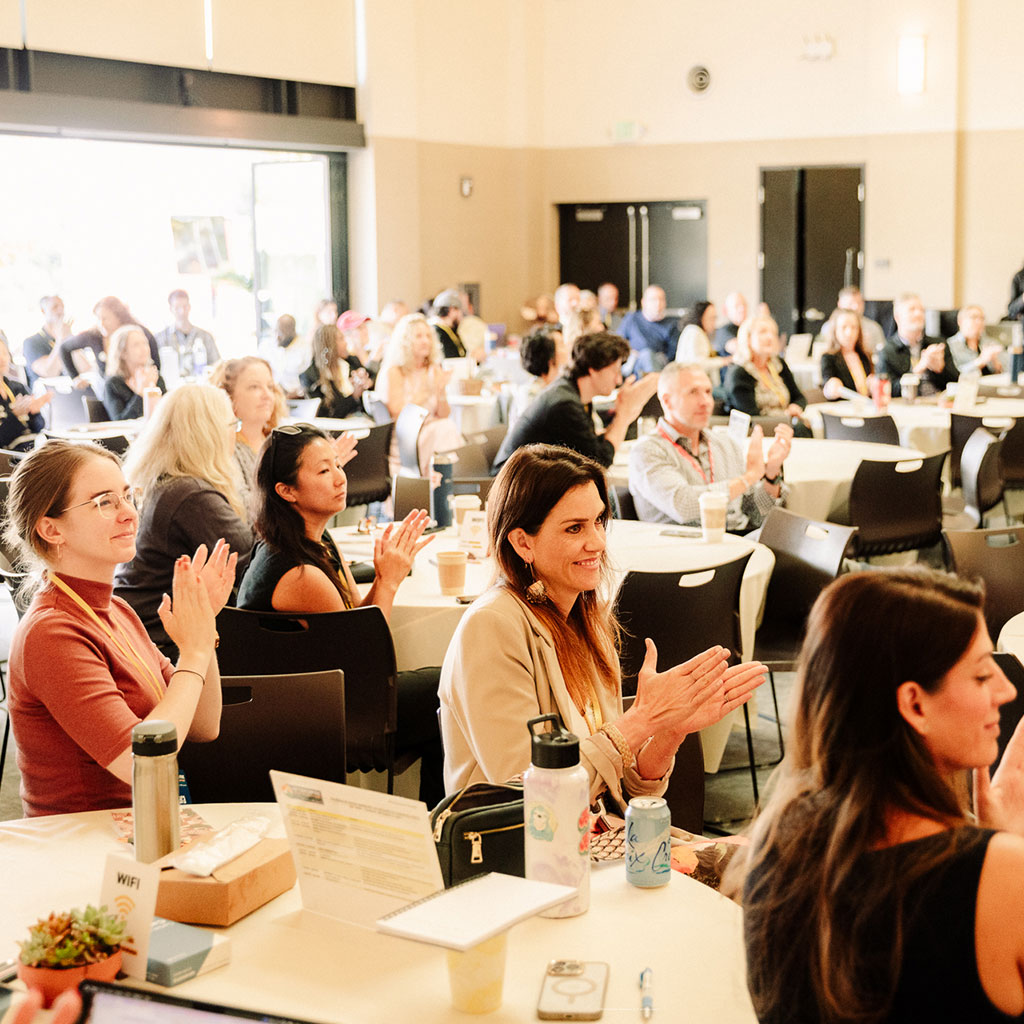
The communities doing the work of recovery rarely get a seat at the table where recovery policy is shaped. The Wildfire Leadership Summit changes that.
Every year, wildfire-affected communities come together with leaders across the field to make sure their experience drives what comes next.
Who attends: Local recovery leaders, government officials, nonprofit partners, funders, and fire survivors — all in the same room.
We Educate
Cross-Fire Insights
Eight years of field data across 15+ fires — organized into a framework that actually reflects how recovery works. Structure loss is just the beginning.
1
Community Type
Whether the fire burned through urban, suburban, rural, or frontier settings shapes every downstream variable
2
Infrastructure Condition
The age and strength of roads, utilities, and water systems before the fire determines what rebuilding costs and how long it takes
3
Housing + Commercial Loss
What mix of homes, businesses, and civic anchors burned tells you far more than a raw structure count
4
Demographics
Age, income, tenure, language, and insurance coverage determine who can actually navigate the recovery system
5
Compensation Pathway
Whether survivors have a defined claims program materially accelerates or stalls household-level recovery
6
Philanthropy Scale
The gap between a million dollars in charitable support and a billion is not a detail. It changes what recovery is possible
7
Key Constraint
The single factor most likely to stall this community's recovery, regardless of how everything else lines up
8
Our Work Across Fires
No two fires are the same. See how we've supported every megafire community we've walked beside
Includes rebuild timelines and community type comparisons across 15+ fires
Before the Fire: Resiliency Projects
North Bay Forest Improvement Program
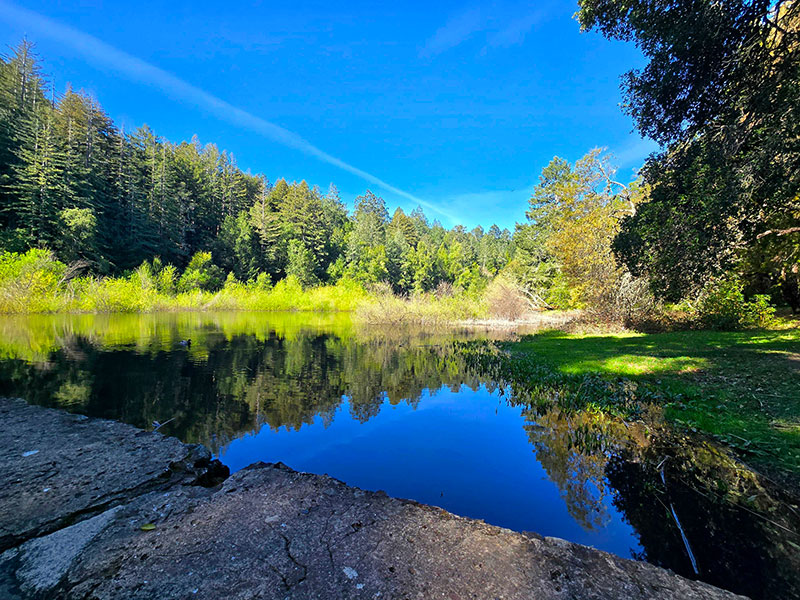
After five years, Rebuild/After the Fire is stepping down as Lead Agency of this first-of-its-kind program.
Starting in April 2024, we are excited for Conservation Works to assume the role of Lead Agency and lead this program into its next impactful chapter. If you are looking for more information, we encourage you to reach out to your county's named implementer.