
Camp Fire
2018 • Butte County, California
18,804
Structures destroyed
Fatalities
COs at 6 years
Pre-fire population returned
Summary
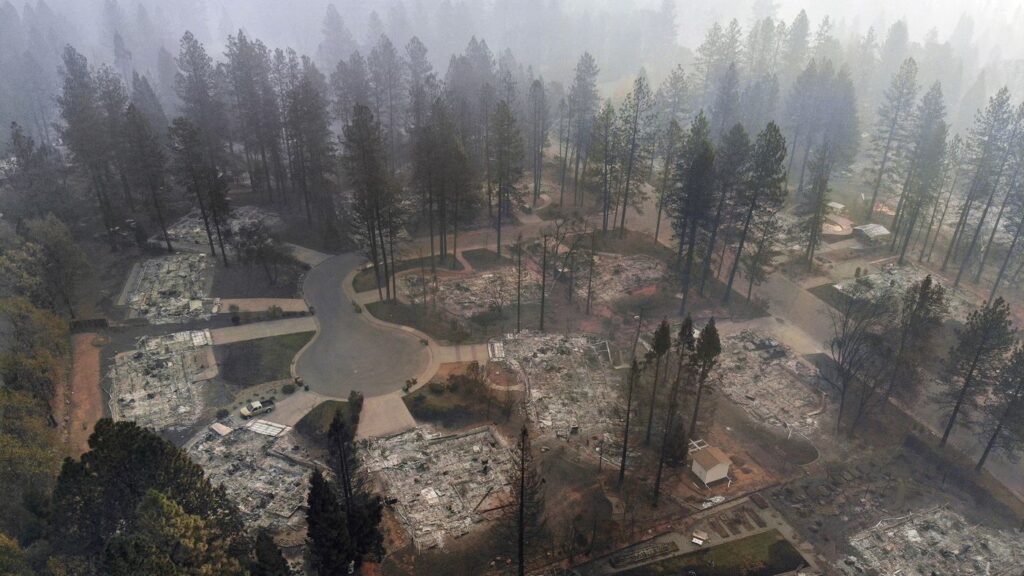
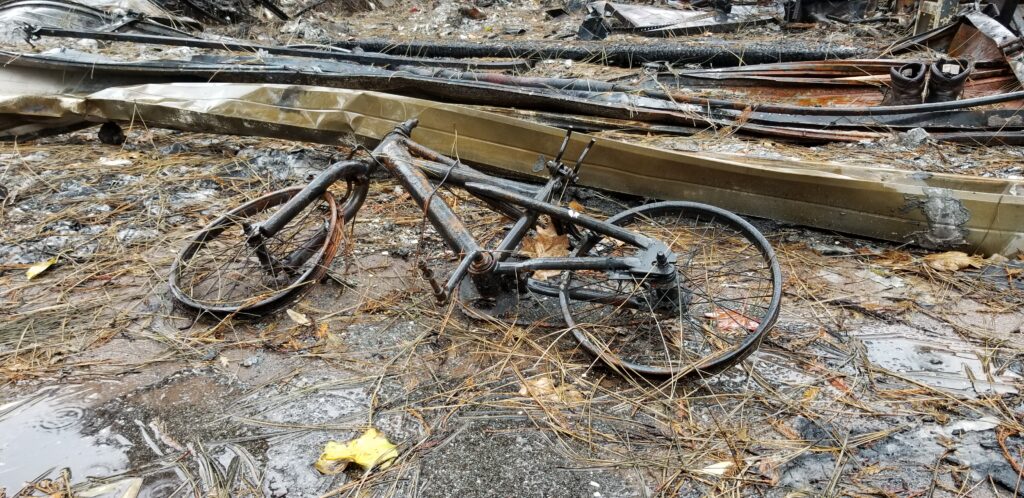
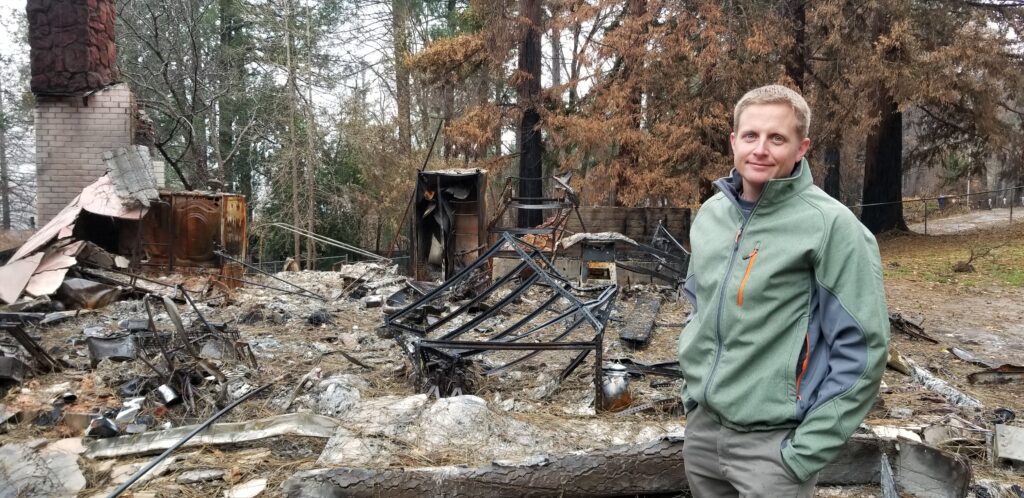
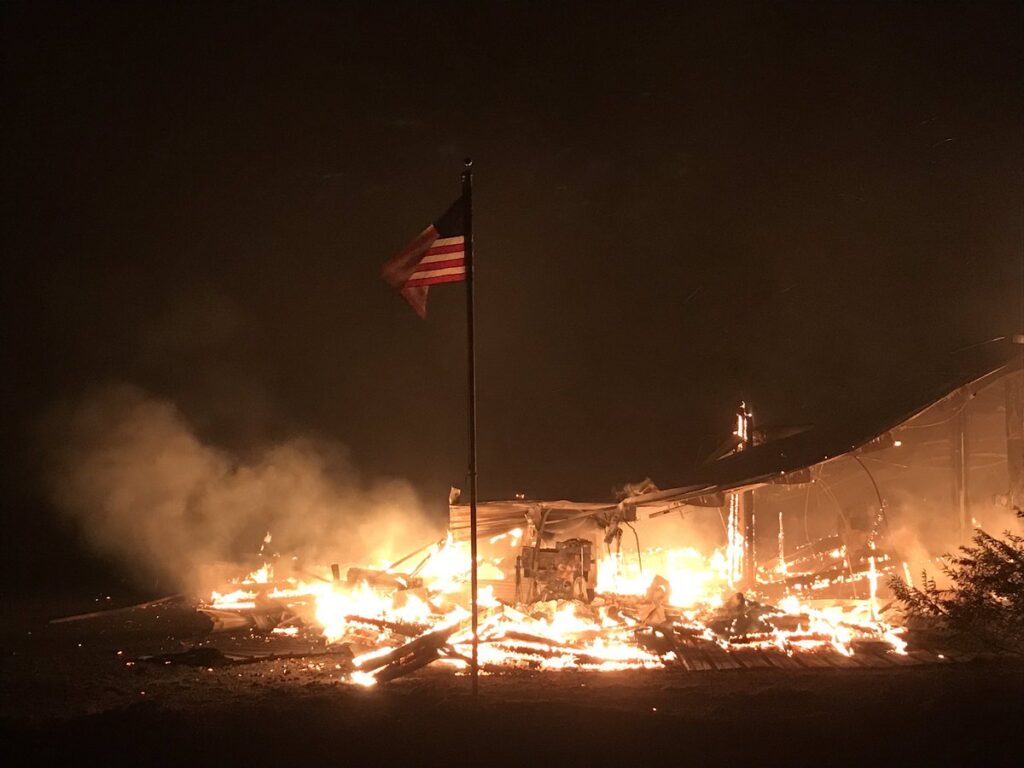
The Camp Fire burned 153,336 acres, destroyed 18,804 structures, and killed 85 people — the deadliest wildfire in California history. It did not burn through a neighborhood. It erased a town: the hospital, the schools, the commercial corridors, the civic anchors. That is categorically different from every other fire in our record.
Why It Matters
The largest housing loss event in modern U.S. wildfire history. It forced full-system reconstruction of an entire town — not just homes — and became the national benchmark for rebuild tracking, pre-approved plan programs, and what it actually means when a community recovers.
“This is not a rebuild — it is full community reconstruction.” — After the Fire USA
Quick Facts
Recovery Context
- Structures Destroyed
- 18,804
- Fatalities
- 85
- Acres Burned
- 153,336
- Cause
- Power lines (PG&E)
- Community Type
- Rural Town
- Infrastructure
- Limited, some outdated; heavy septic dependence
- Loss Type
- Extreme — housing + full civic loss (hospital, schools, commercial)
- Demographics
- Older, lower income; many on fixed incomes, many underinsured
- Compensation Pathway
- Fire Victim Trust (PG&E settlement) — Note: The FVT has not been a positive experience for many survivors, who have waited years and as of 2026 have received only approximately 70% of their claim determinations.
- Philanthropy Scale
- Very high
- Key Constraint
- Full town rebuild; COVID disrupted early pipeline (2020)
- Claimant Status
- Claimant Fire — Fire Victim Trust
Recovery Status
Paradise as of 2026: 3,100+ COs; 3,500+ permits issued
~22% of pre-fire population has returned
Commercial rebuild significantly lags residential — town remains incomplete
Very slow start: only 412 COs at 2 years (COVID disrupted 2020 pipeline)
Pre-approved plan programs launched to help survivors navigate at scale
Best Practices
What Worked: Field-tested by After the Fire USA
Zone Captain model — Paradise adapted North Bay Block Captains to evacuation zones, making the system more useful for rural geography and future preparedness
Weekly rebuild reporting → market certainty and public accountability
Pre-approved housing plans → reduced time-to-permit at scale
Targeted grants (septic, defensible space, site prep) → removed specific rebuild blockers
Our Work
After the Fire USA: Our Work in this community
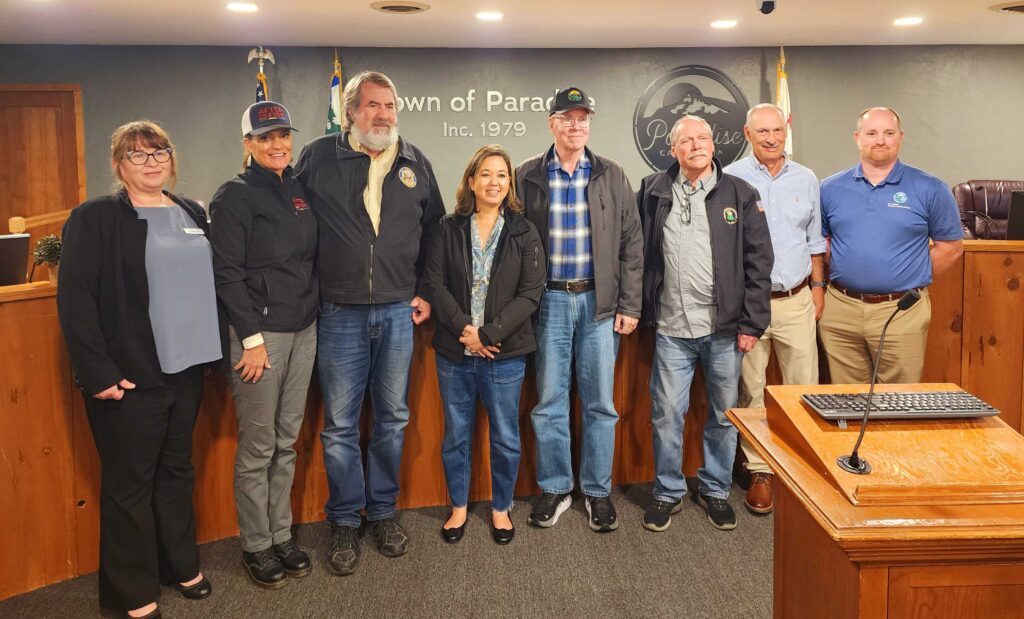
After the Fire USA began convening with Camp Fire leaders early and helped support the formation of Rebuild Paradise Foundation. Paradise then created programs specific to its own community. The Block Captain model from the North Bay was adapted into a Zone Captain system aligned with evacuation zones, which better fit a rural community and strengthened both recovery and preparedness. Camp also became a major point of national learning for After the Fire USA, including how full-town reconstruction differs from neighborhood-scale rebuilding.
Links
Policy Takeaways
Publish rebuild data weekly — anything less creates uncertainty that slows recovery
Pre-approved plans should be standard post-disaster policy in every jurisdiction
Small financial barriers (septic, site prep) = major recovery bottlenecks — targeted grants are high-impact
Population return and COs issued are different metrics and must be tracked separately
Rebuilding a town requires civic reconstruction — commercial rebuild will not happen automatically alongside residential