
CZU Lightning Complex
2020 • Santa Cruz and San Mateo Counties, California
1,490
Structures destroyed
Fatalities
86,509
ACRES BURNED
COMPENSATION PROGRAM
Summary
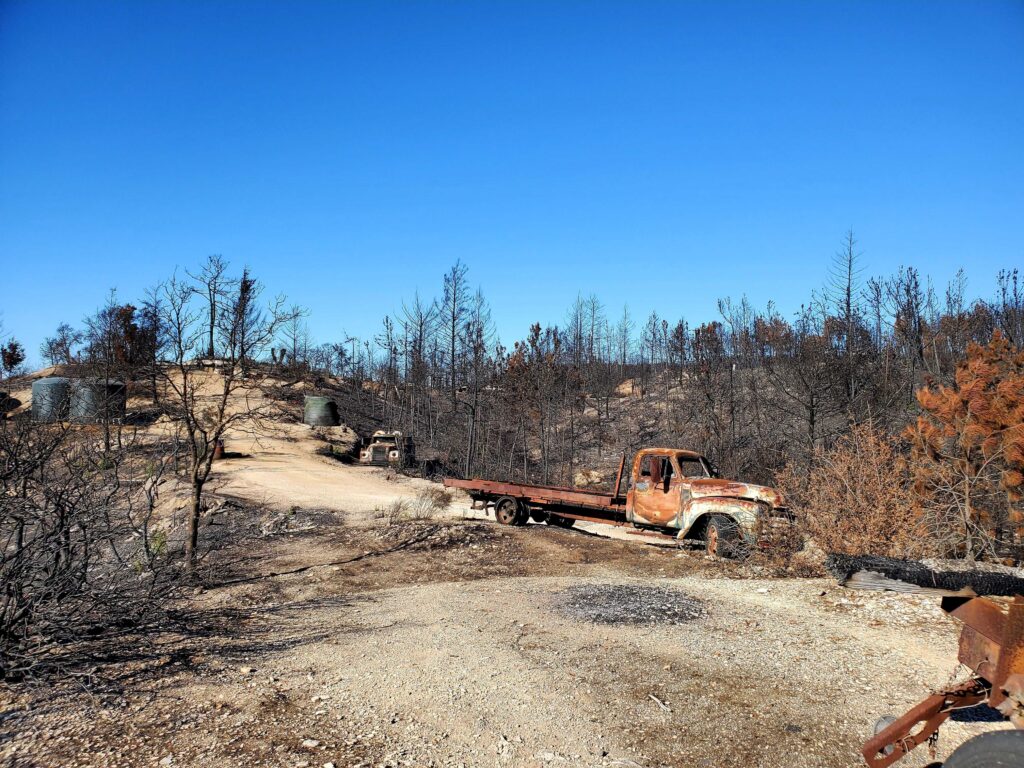
The CZU Lightning Complex burned 86,509 acres and destroyed 1,490 structures in August 2020 across the coastal mountain communities of Santa Cruz and San Mateo Counties ó Boulder Creek, Bonny Doon, Last Chance, and others ó during COVID-19. A single fire containing multiple recoveries at once: different income levels, geographies, infrastructure, and trust relationships with government.
Why It Matters
CZU showed that a single fire can contain four different recoveries. Place-specific approach was essential. It also produced one of the clearest examples of how targeted storytelling and local expertise can unlock resources that systems alone cannot.
“A single fire can contain four different recoveries.” - After the Fire USA
Quick Facts
Recovery Context
- Structures Destroyed
- 1,490
- Acres Burned
- 86,509
- Fatalities
- 1
- Ignition
- Natural lightning (non-utility, non-claimant)
- Community Type
- Rural/Forested; multiple sub-communities with different conditions
- Compensation
- None
- Key Constraint
- Terrain, road access, off-grid communities, COVID context
- Claimant Status
- Non-Claimant Fire — Lightning
Recovery Status
Recovery remains extended due to terrain, access, permitting, and infrastructure constraints
Boulder Creek: more workforce and lower-income rebuilding challenges
Bonny Doon: more resources, greater rebuilding capacity
Last Chance: off-grid, lower trust in outside systems — recovery respected local autonomy
Santa Cruz County created a new Recovery and Resilience function (Dave Reid) — longer-term institutional capacity
Best Practices
What Worked: Field-tested by After the Fire USA
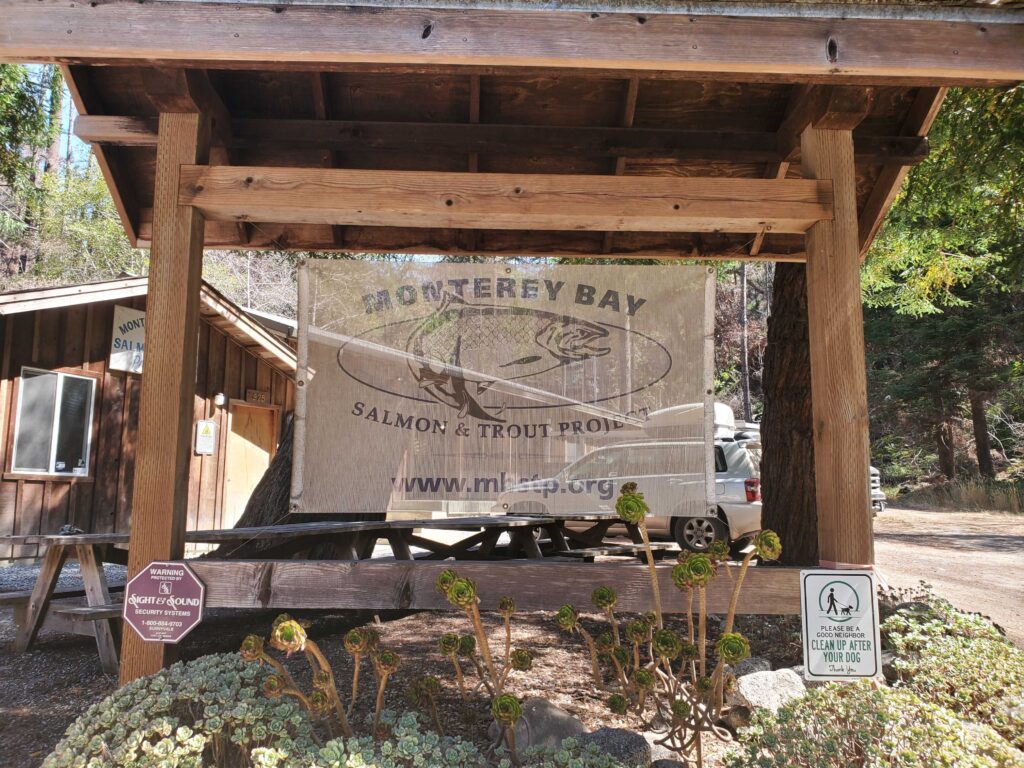
Targeted storytelling to unlock resources — media strategy helped MBSTP raise ~$600,000 to rebuild salmon habitat bridges |
Local expertise in disaster navigation — Rebecca Uccellini’s FEMA and disaster case management knowledge became an informal critical community resource |
County Recovery and Resilience capacity — Dave Reid and Santa Cruz County created longer-term institutional capacity for repeated disasters |
Our Work
After the Fire USA: Our Work in this community
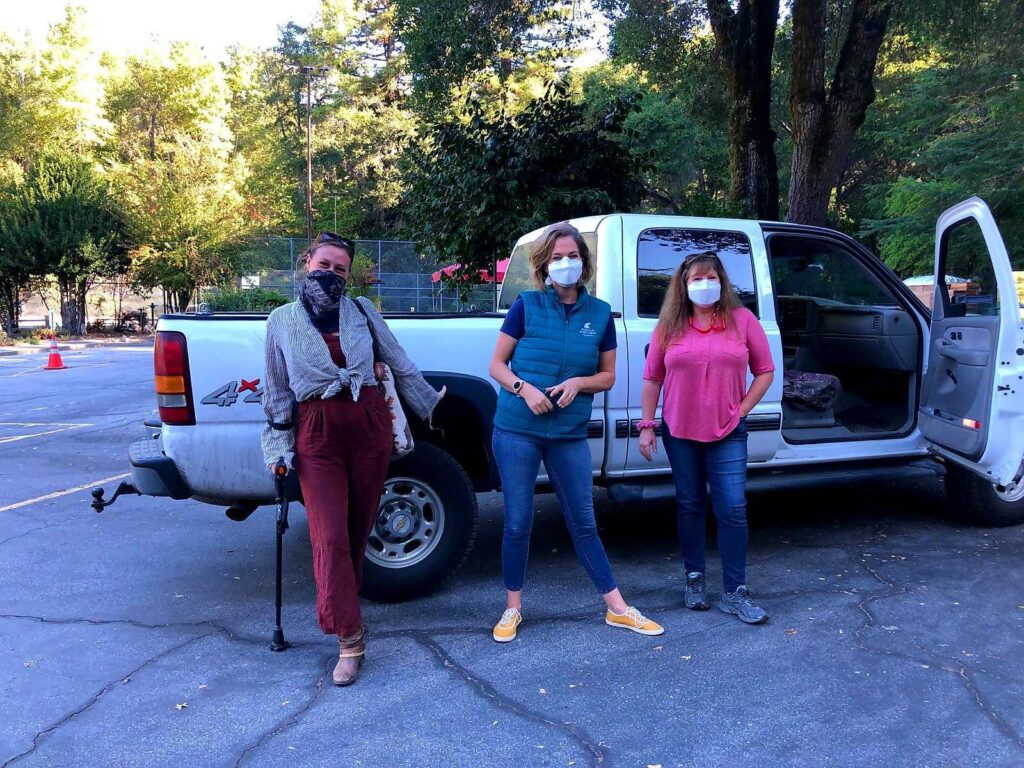
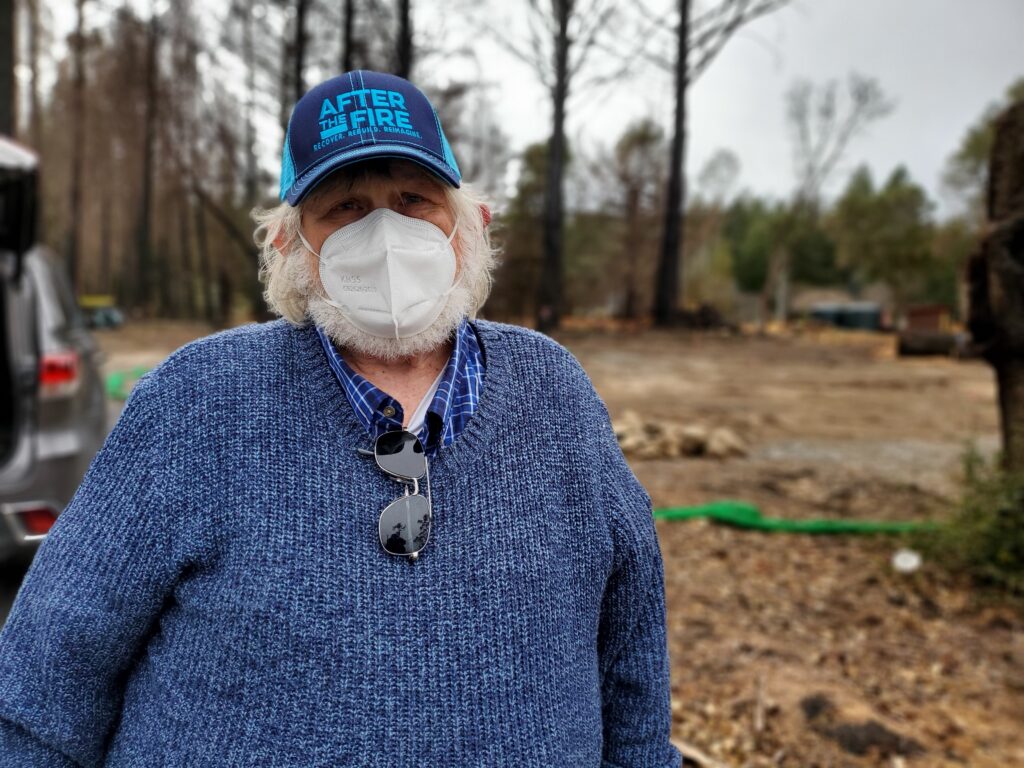
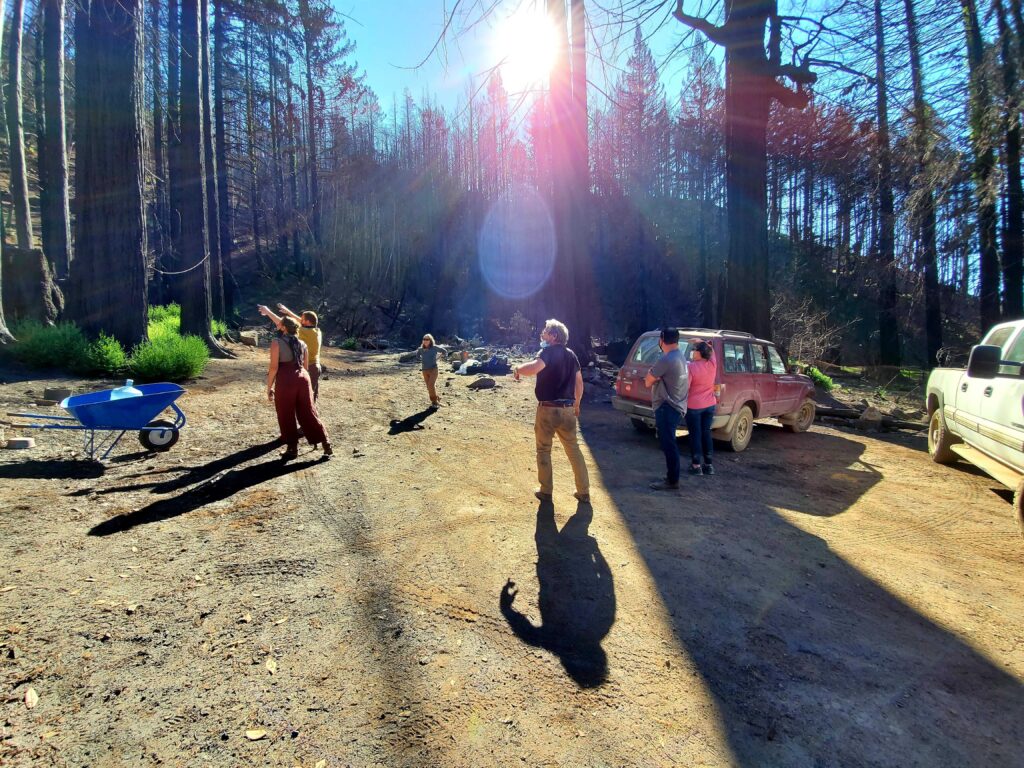
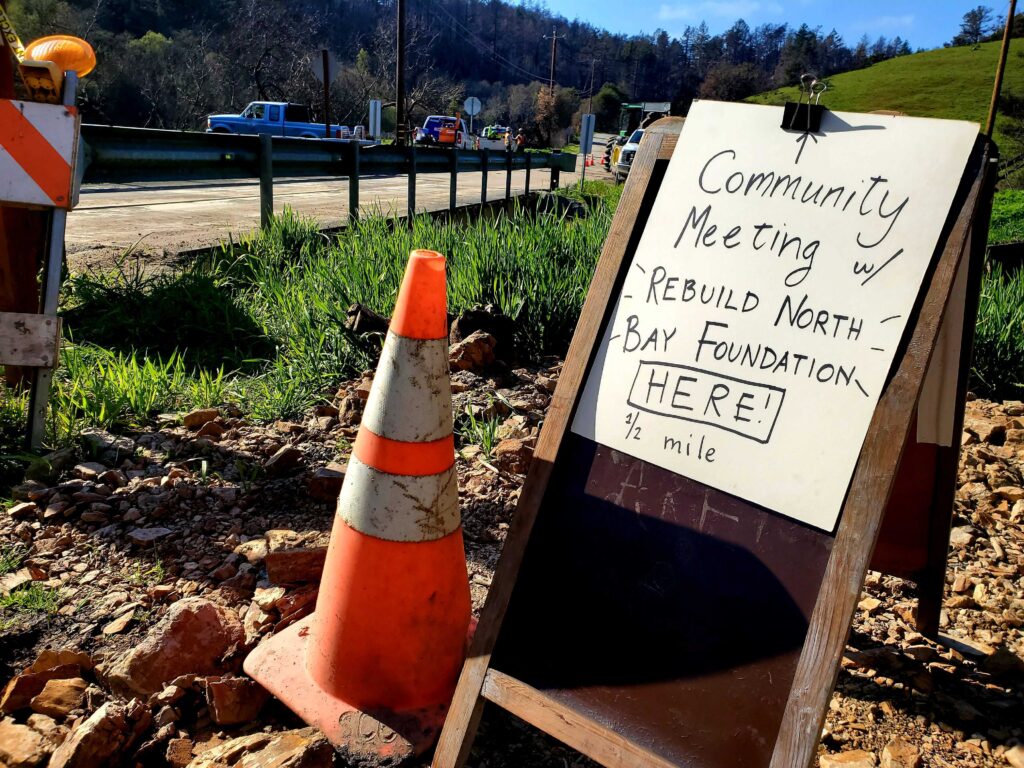
| After the Fire USA came in several times to hold community meetings, including meetings on private land in rural areas. During one meeting, the team learned that critical salmon habitat bridges had burned. After the Fire USA funded a public relations effort that helped secure front-page coverage in the San Francisco Chronicle, which enabled the Monterey Bay Salmon and Trout Project (MBSTP) to raise approximately $600,000 to replace the bridges. After the Fire USA also visited Last Chance, an off-grid community that generally prefers to be left alone, and continued connecting residents to resources over time while respecting local autonomy. The work was rooted in listening, targeted help, and supporting trusted local leaders. |
Links
https://mbstp.org
Policy Takeaways
Non-claimant fires require stronger public recovery funding — no settlement pathway leaves full burden on survivors
A single fire can require multiple distinct recovery approaches within the same footprint
Targeted storytelling and media strategy can unlock resources that formal systems cannot
Infrastructure gaps (road access, terrain) must be identified and funded early