
Dixie Fire
2021 • PLUMAS COUNTY, CALIFORNIA
963,309
ACRES BURNED
STRUCTURES DESTROYED
48
COS AT 2 YEARS
REBUILT AT 4 YEARS
Summary
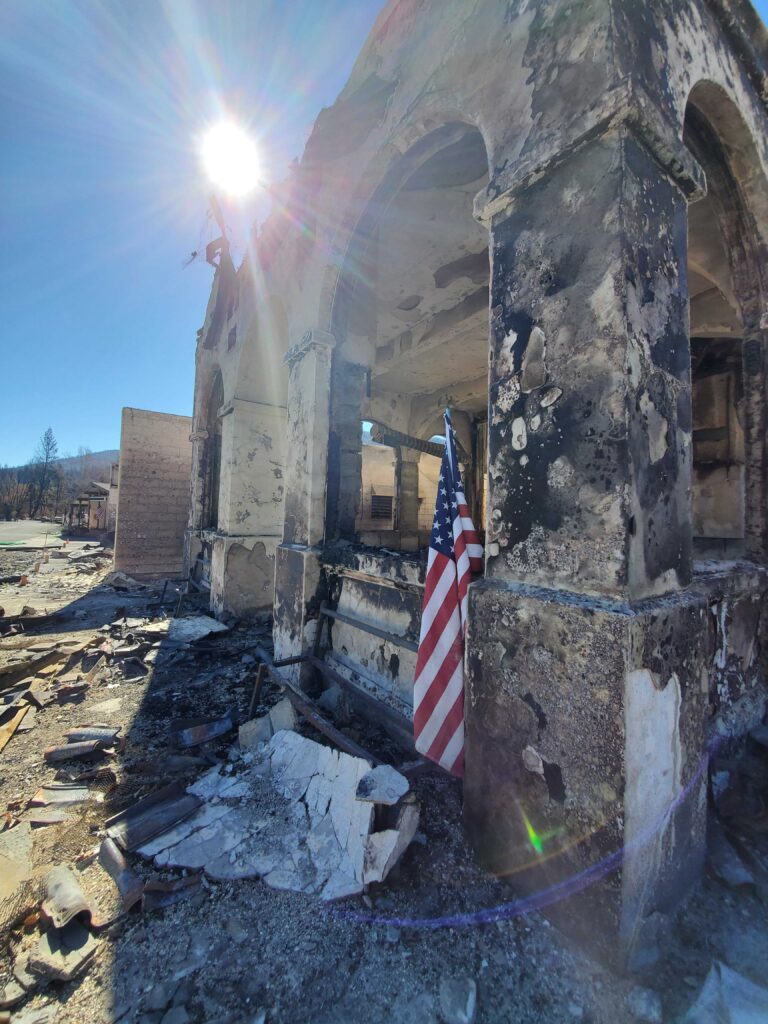
The Dixie Fire burned nearly 1 million acres — one of the largest fires in California history — and destroyed approximately 1,311 structures, including roughly 98% of Greenville, a small frontier community in Plumas County. Despite a PG&E compensation pathway, this is one of the slowest recoveries in our record. At four years, approximately 18% of residential structures had been rebuilt. Greenville is largely unrebuilt.
Why It Matters
Dixie represents the voice of the most forgotten fires. Frontier communities may be self-sufficient, but they often have low trust in government and low tolerance for outsiders who arrive with ready-made solutions. Recovery must respect local autonomy while still offering useful support. The fire also highlighted how federal tax treatment of wildfire settlements can become a recovery barrier.
“Never underestimate or overlook frontier fires.” - After the Fire USA
Quick Facts
Recovery Context
- Structures Destroyed
- 1,311–1,329 (Greenville ~98% destroyed)
- Acres Burned
- 963,309
- Community Type
- Frontier
- Infrastructure
- Limited
- Loss Type
- Town-scale — Greenville (housing + civic)
- Demographics
- Small, rural, aging; multigenerational families; former timber economy
- Compensation Pathway
- Yes — PG&E settlement outside Fire Victim Trust
- Philanthropy Scale
- Moderate
- Key Constraint
- Scale + isolation; small local government capacity; frontier recovery dynamics
- COs at 2 Years
- 48
- COs at 4 Years
- 145 (~18% of residential)
- Claimant Status
- Claimant Fire — PG&E settlement outside Fire Victim Trust
Recovery Status
48 COs issued at 2 years (2023)
145 COs at 4 years (2025) — approximately 18% of residential rebuilt
Greenville largely unrebuilt as of 2026
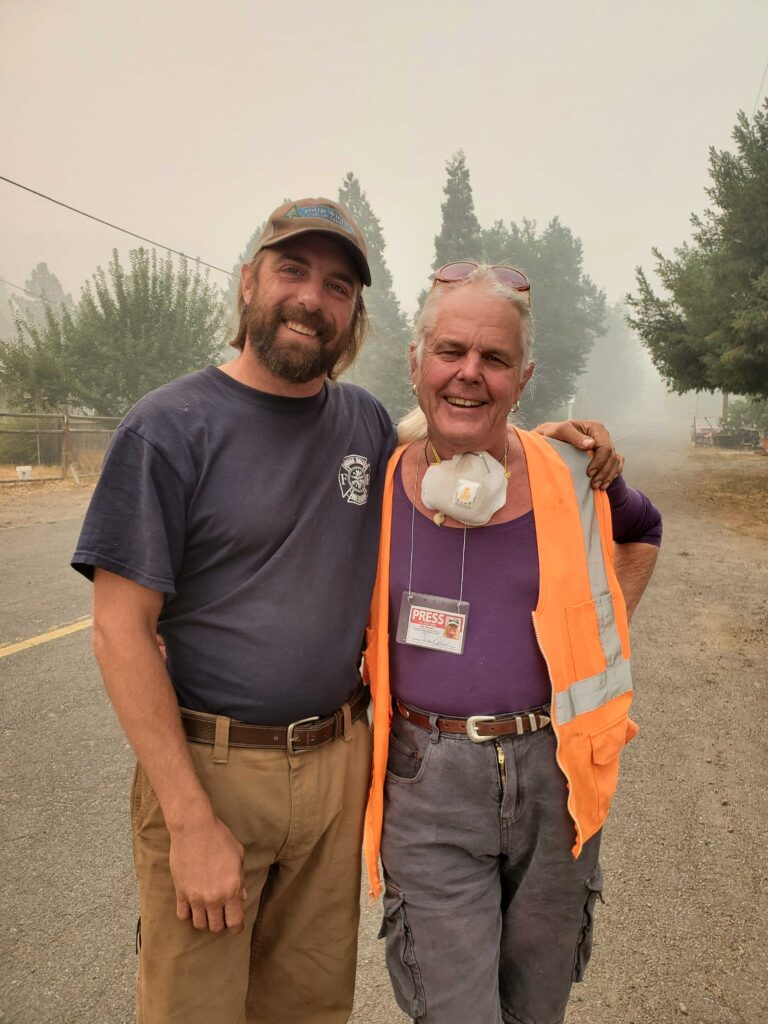
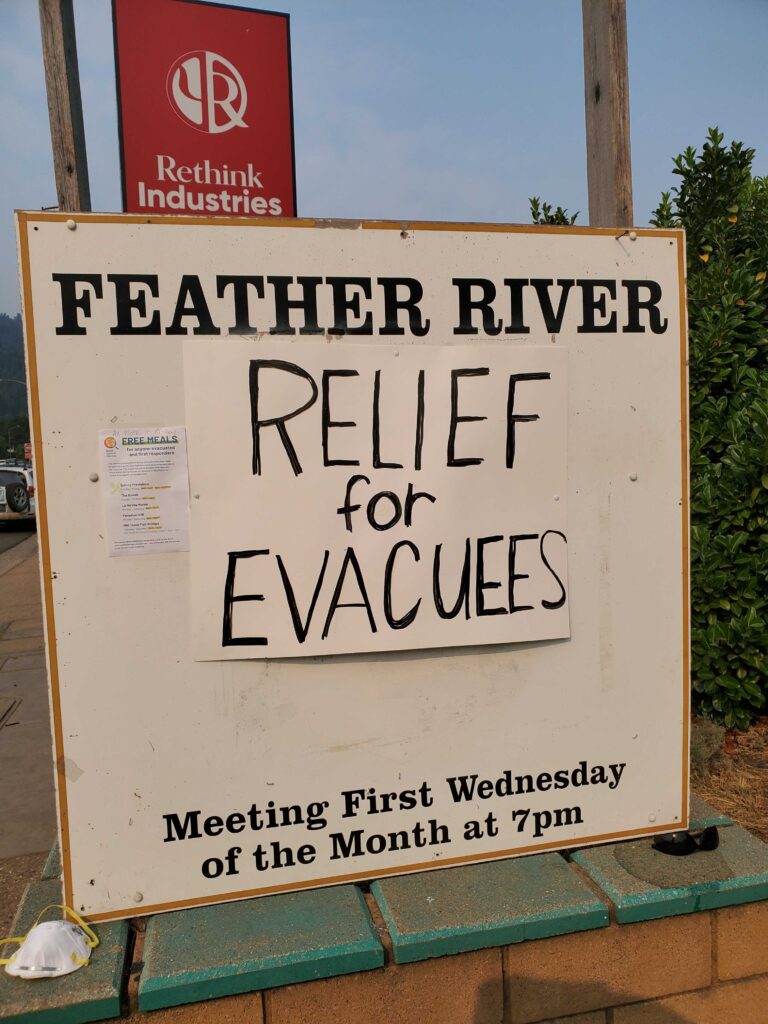
Recovery shaped by local autonomy — community determined to organize on its own terms
Sierra Institute supported cross-laminated timber and steel-sided resilient rebuilds
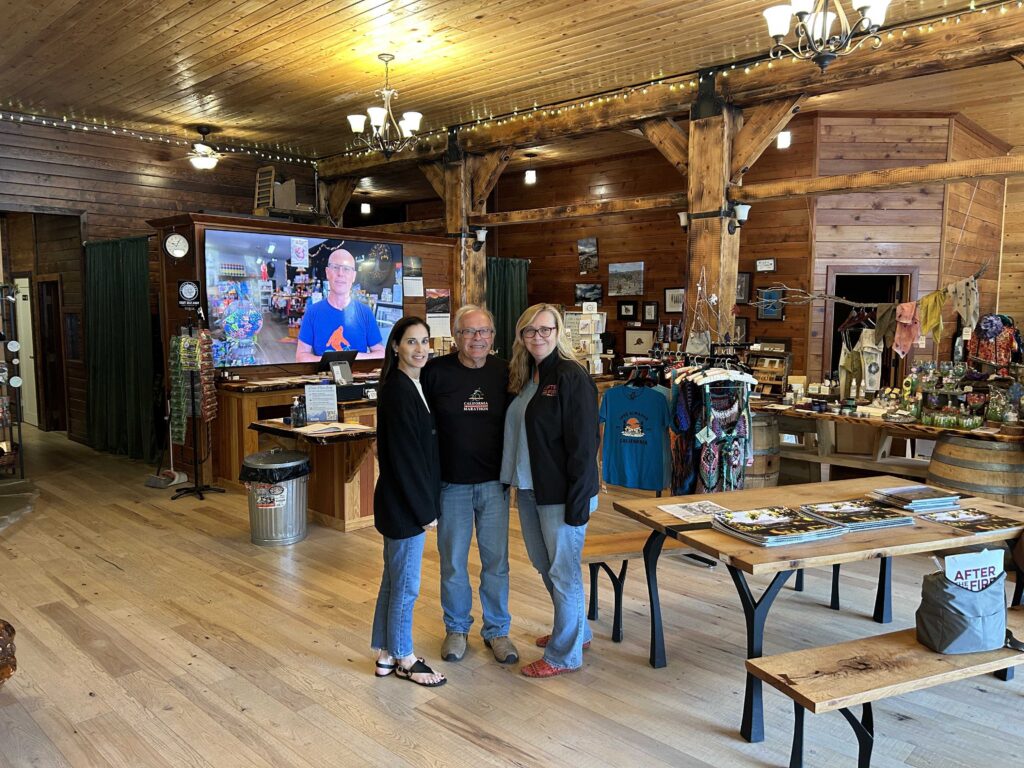
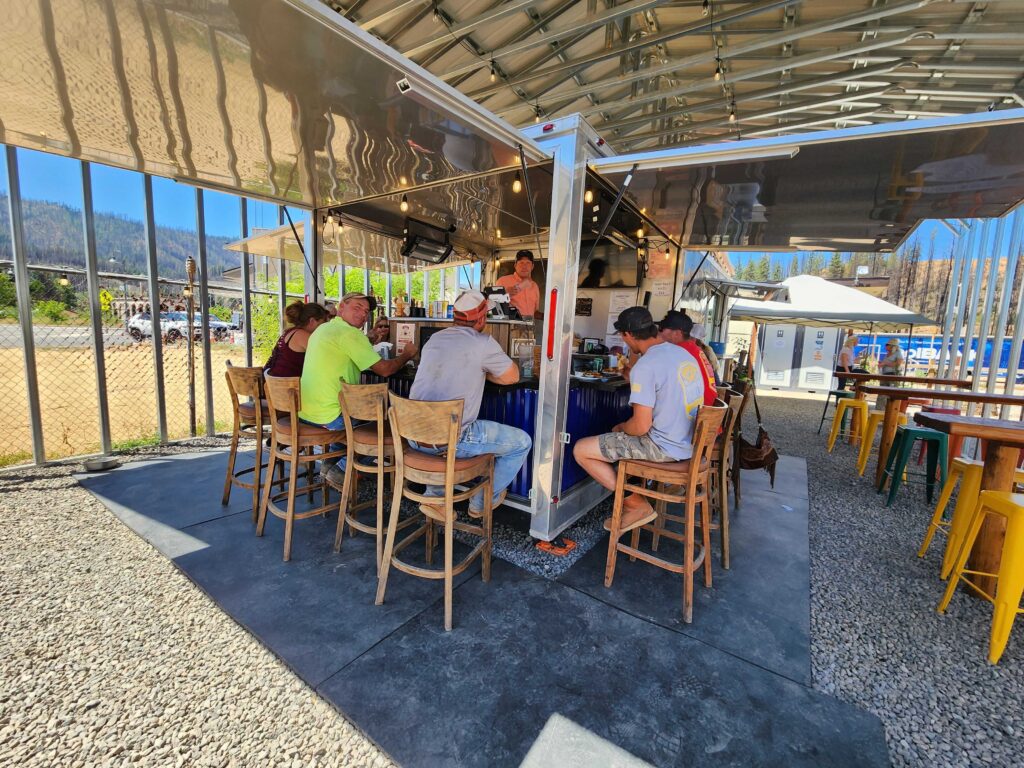
The Spot created a pop-up business district on a central lot while the town rebuilt
No consistent public rebuild dashboard maintained — recovery largely invisible to outside funders
Best Practices
What Worked: Field-tested by After the Fire USA
Frontier-led recovery model — the Dixie collaborative approach organized recovery locally and on community terms |
Fire-resistant rebuilding — Sierra Institute supported CLT and steel-sided rebuilds including a roundhouse |
Temporary economic infrastructure — The Spot created a pop-up business district, helping local businesses return while the town rebuilt |
Our Work
After the Fire USA: Our Work in this community
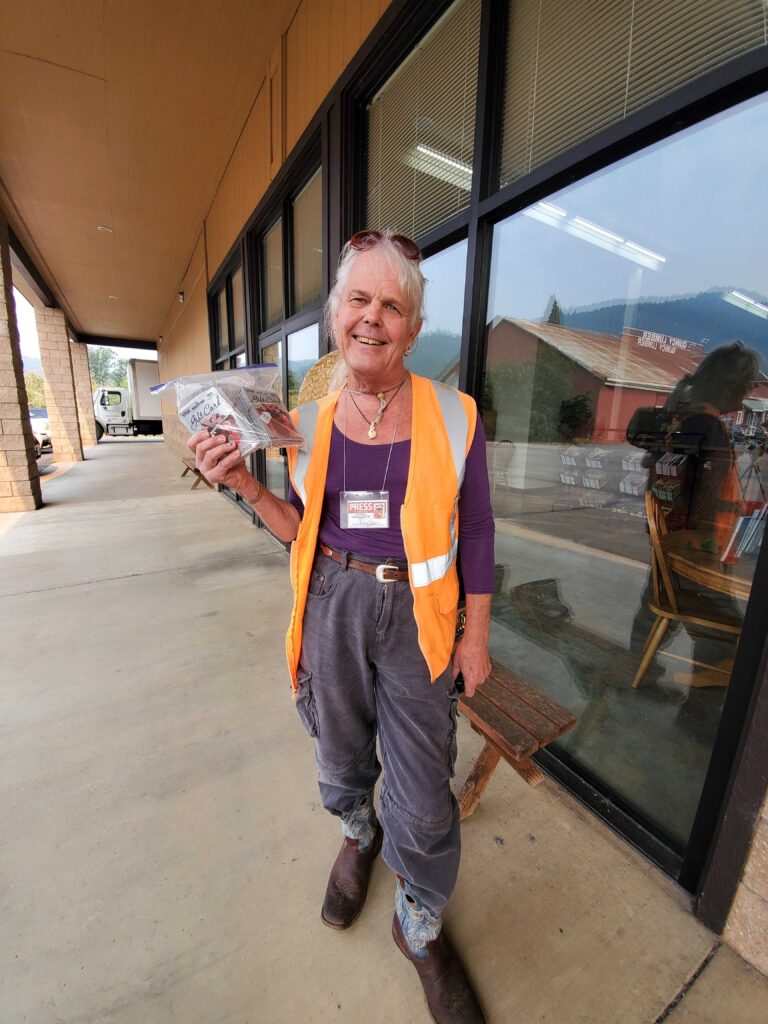
| After the Fire USA was invited in early by community leader Ken Donnell and connected with Supervisor Kevin Goss. State and national interference had complicated trust, leaving some local leaders wary of outside offerings. In response, After the Fire USA shifted to supporting from behind: maintaining relationships with trusted leaders, sharing information, identifying resources, and amplifying frontier recovery challenges. The most significant impact was federal tax advocacy. Dixie Fire survivors received a PG&E settlement outside the Fire Victim Trust, and After the Fire USA’s work on the federal tax bill helped ensure wildfire settlement funds would not be reduced by federal taxation. Supervisor Kevin Goss joined the organization in Washington, D.C., and Dixie leaders were invited into wildfire leadership convenings, including with lodging support where needed. |
Links
https://sierrainstitute.us/ |
Policy Takeaways
Never underestimate or overlook frontier fires — they are the least visible and often the least served
Compensation alone does not drive recovery — frontier communities need state-level infrastructure support
Small local governments need external capacity support pre-positioned before the next fire
Federal tax treatment of wildfire settlements is a recovery policy issue — advocacy here has real survivor consequences
A public rebuild dashboard is a prerequisite for attracting funders and outside intervention — invisibility compounds slow recovery