
Los Angeles : Palisades + Eaton Fires
structures destroyed
PERMIT APPLICATIONS FILED
First CO issued
Summary
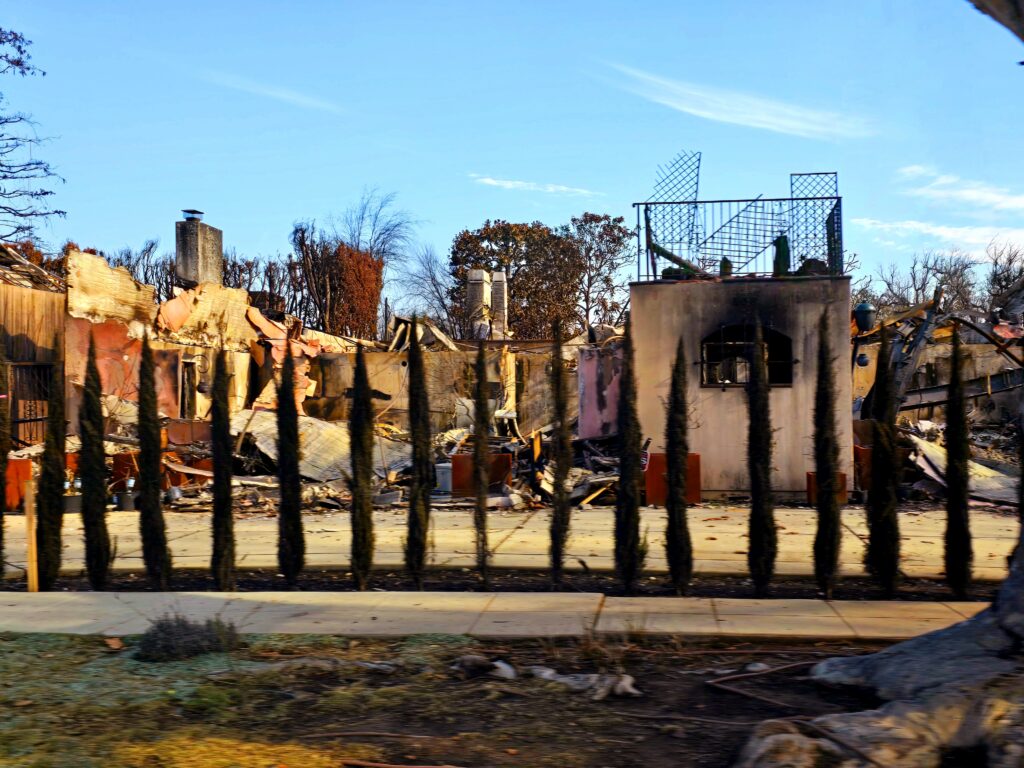
The Eaton and Palisades Fires represent the next generation of urban-interface wildfire recovery challenges in Los Angeles County. Together they destroyed 16,251 structures across two distinct communities with very different demographics, compensation pathways, and recovery needs. They are testing everything learned from prior megafires — in real time — in one of the most complex metropolitan areas in the United States.
Why It Matters
These fires are occurring in a region with high housing costs, intense media attention, complex ownership structures, vulnerable populations, and very different compensation pathways. Los Angeles is also innovating: catalog homes, architect collectives, and group builds are genuine new chapters. The challenge is ensuring that innovation serves all survivors equally.
“Early clarity prevents years of avoidable confusion.” - After the Fire USA

Quick Facts
Recovery Context
- Palisades Fire
- 6,837 structures · City of LA · Urban interface · Higher income · No clear compensation pathway
- Eaton Fire
- 9,414 structures · LA County / Altadena · Mixed demographics · SCE compensation program
- Combined Structures
- 16,251 total
- Fatalities
- Palisades: 12 · Eaton: 19
- Debris Removal
- 100% Phase 2 complete
- Permits (June 2026)
- Palisades ~5,000+ applications , ~3,000+ issued · Eaton ~2,700+ applications, ~3,000+ issued
- Under Construction
- 340+ Palisades; group builds accelerating in Eaton
- COs Issued
- Palisades 1 confirmed (Nov 2025) · Eaton first Dec 2025
- Claimant Status
- Eaton: claimant pathway via SCE · Palisades: no clear pathway at this stage
- Closest Comparable
- Palisades → Tubbs/Santa Rosa; Eaton → Almeda (equity dynamics)
Recovery Status
100% Phase 2 debris removal complete across both fires
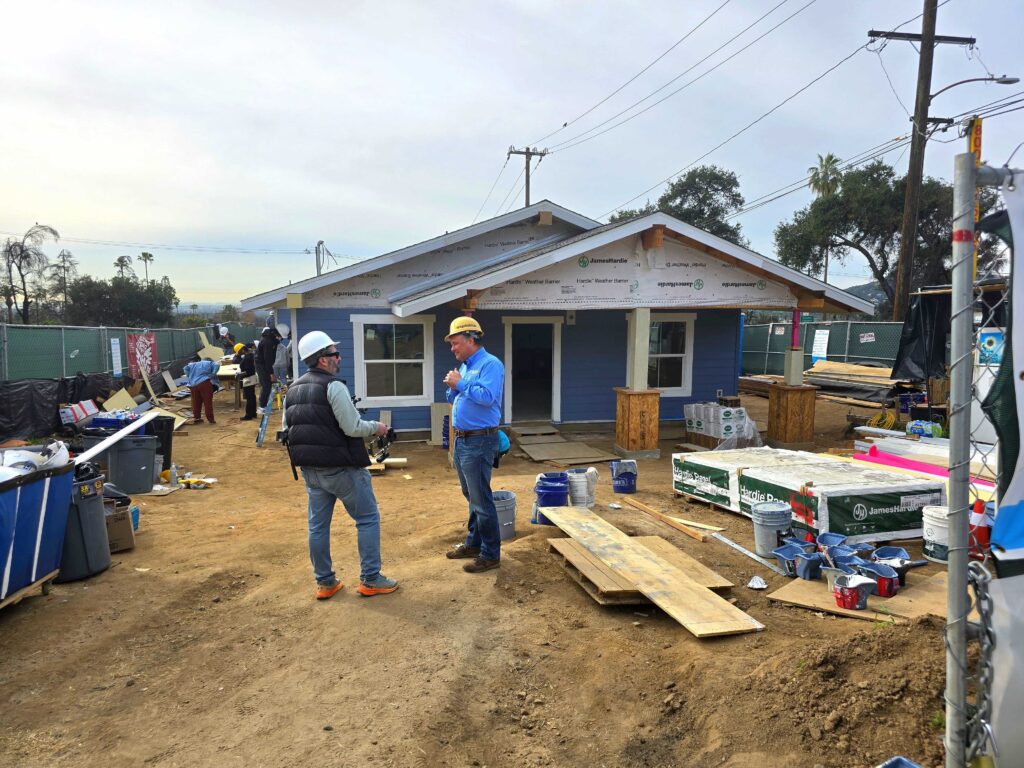
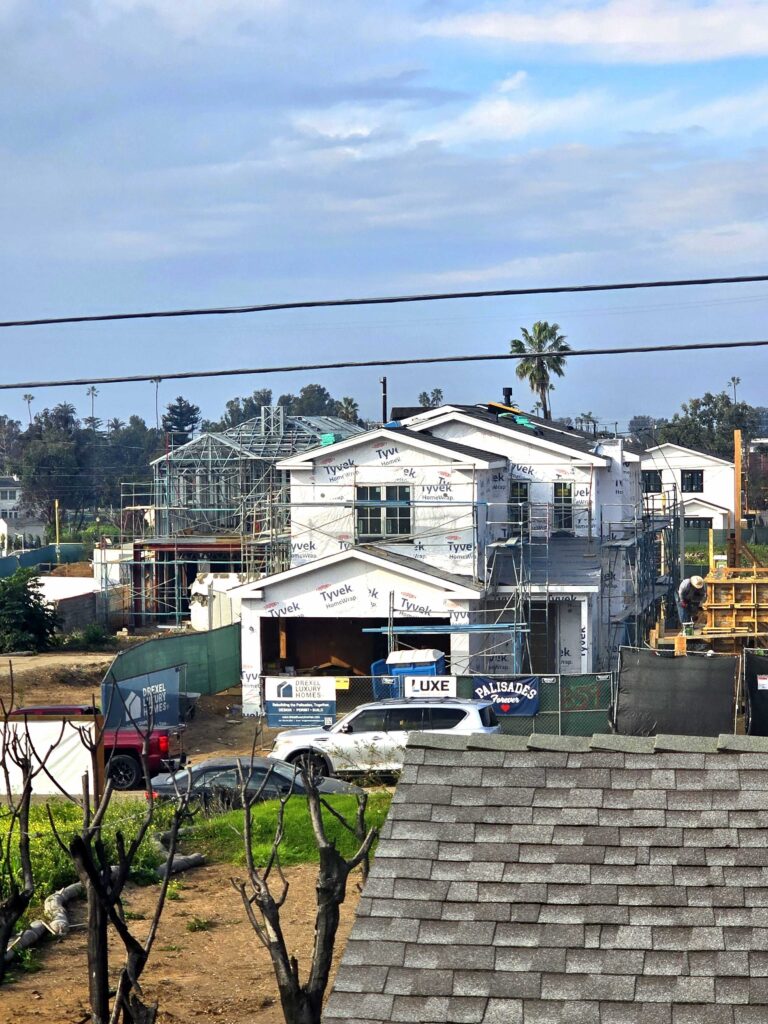
Palisades: ~1,800+ permit applications; ~758 permits issued; 340+ under construction; 1 CO (Nov 2025)
Eaton: ~2,220 county applications; ~568 issued; first CO December 2025; group builds accelerating
No dedicated permit center; no published plan-check turnaround targets; no combined CO dashboard — three gaps vs. Santa Rosa benchmark
SCE claims navigation: complexity is a documented barrier for less-resourced Altadena households
Renter displacement tracking underway but incomplete; permanent displacement a documented concern
Best Practices
What Worked: Field-tested by After the Fire USA
Clear Phase I / Phase II debris removal → reduced confusion and accelerated transition to rebuild phase |
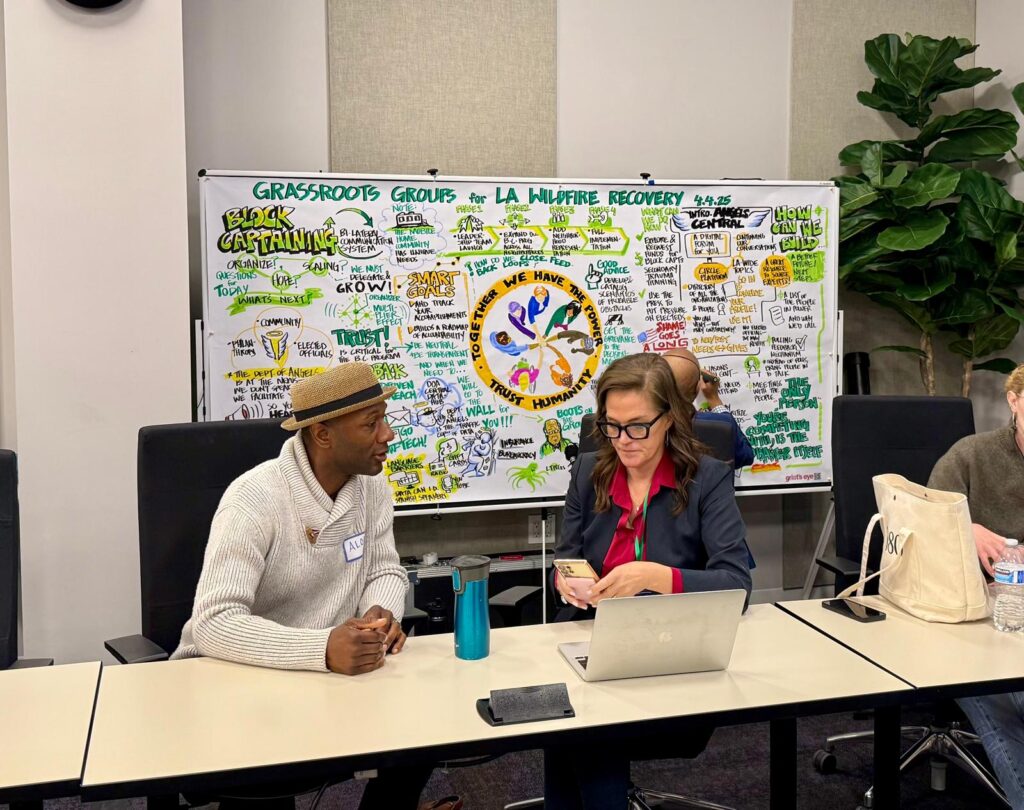
Block Captain model transfer → proven survivor communication system adapted for LA communities |
Group builds and architectural collective model → genuine LA innovation that may accelerate neighborhood-scale recovery |
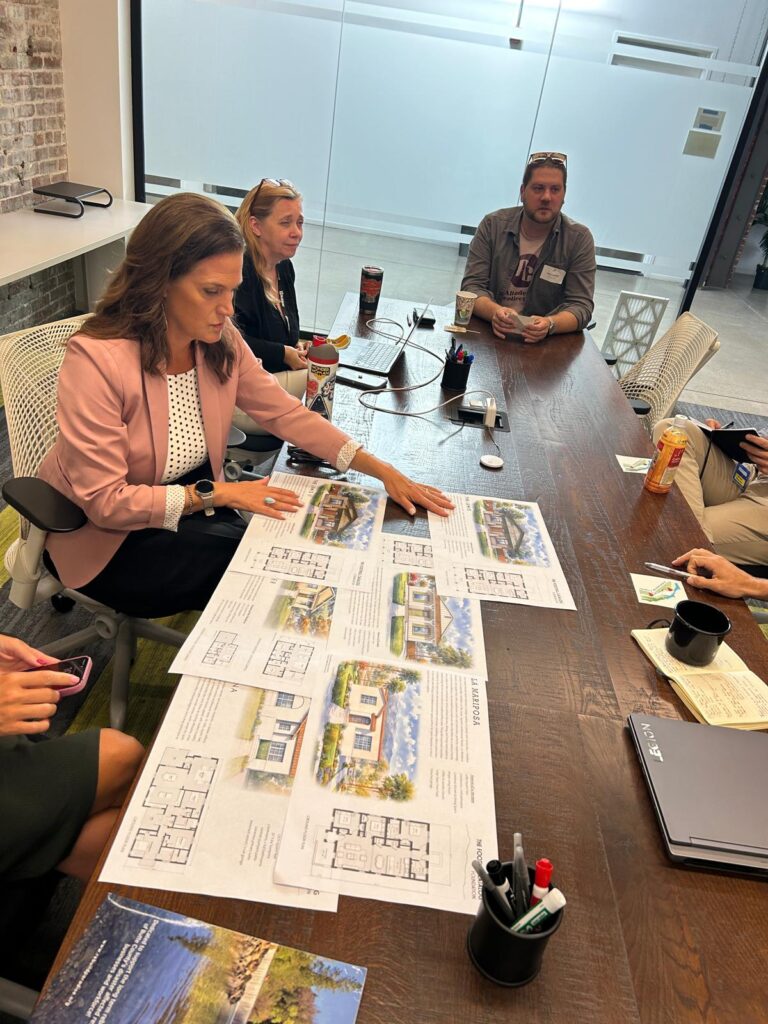
Catalog home programs → reduce per-project design burden and enable faster plan check |
Early cross-fire learning → prior recovery models being applied faster than in earlier disasters |
Our Work
After the Fire USA: Our Work in this community
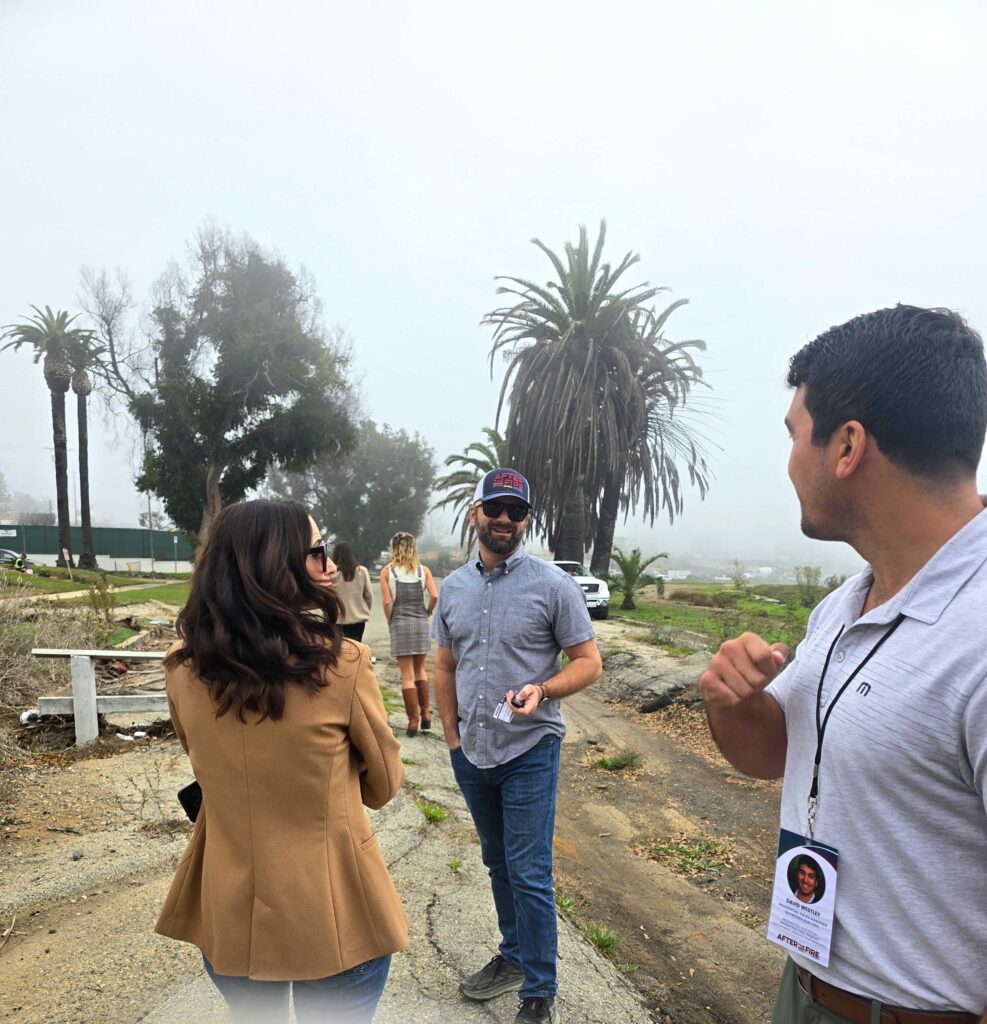
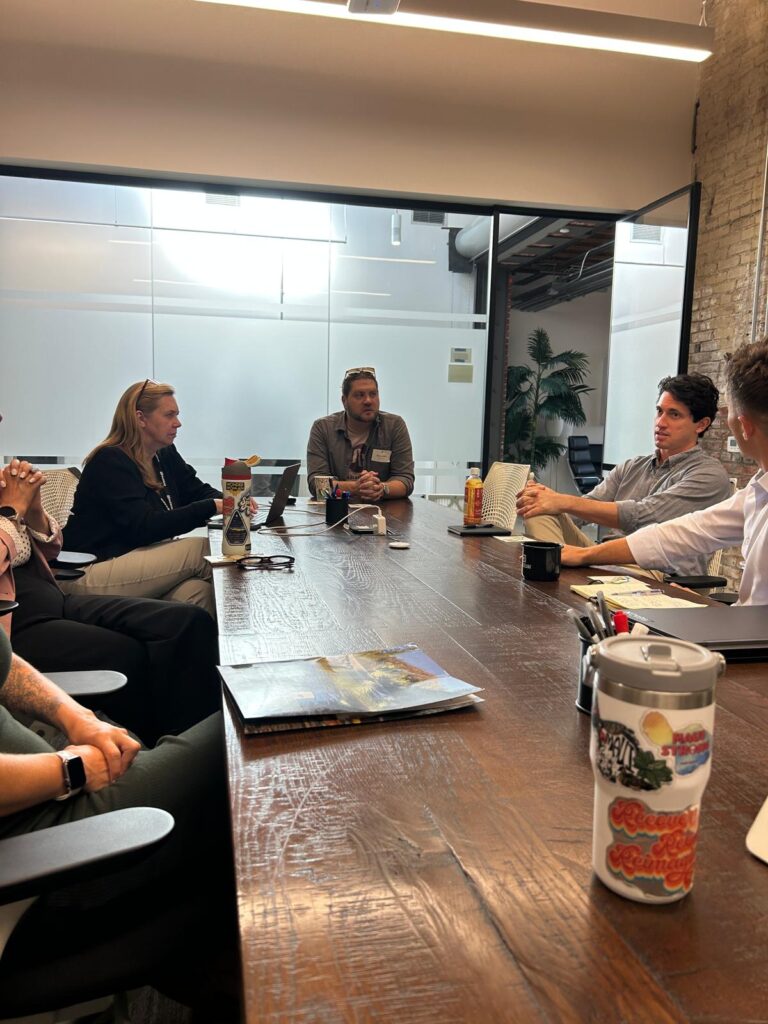
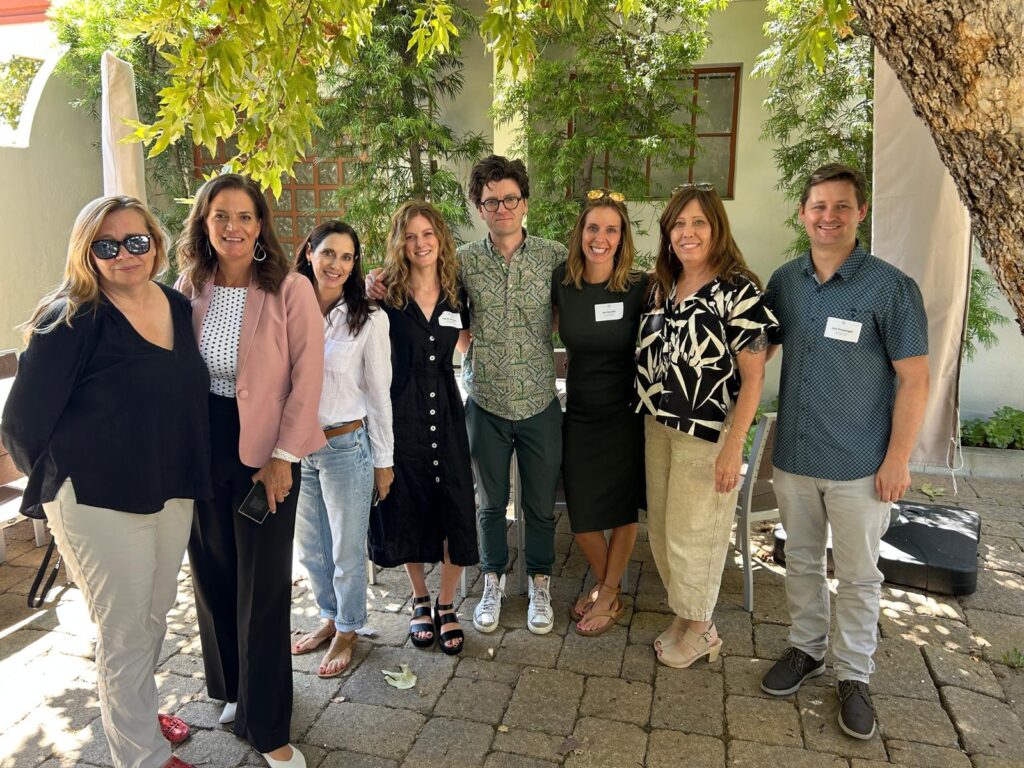
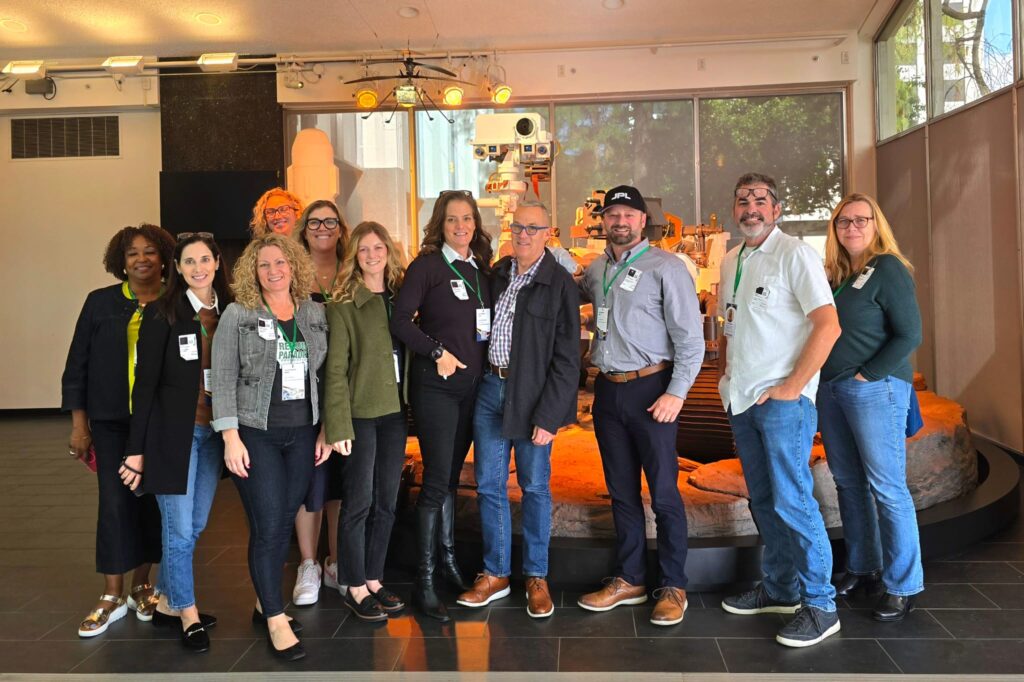
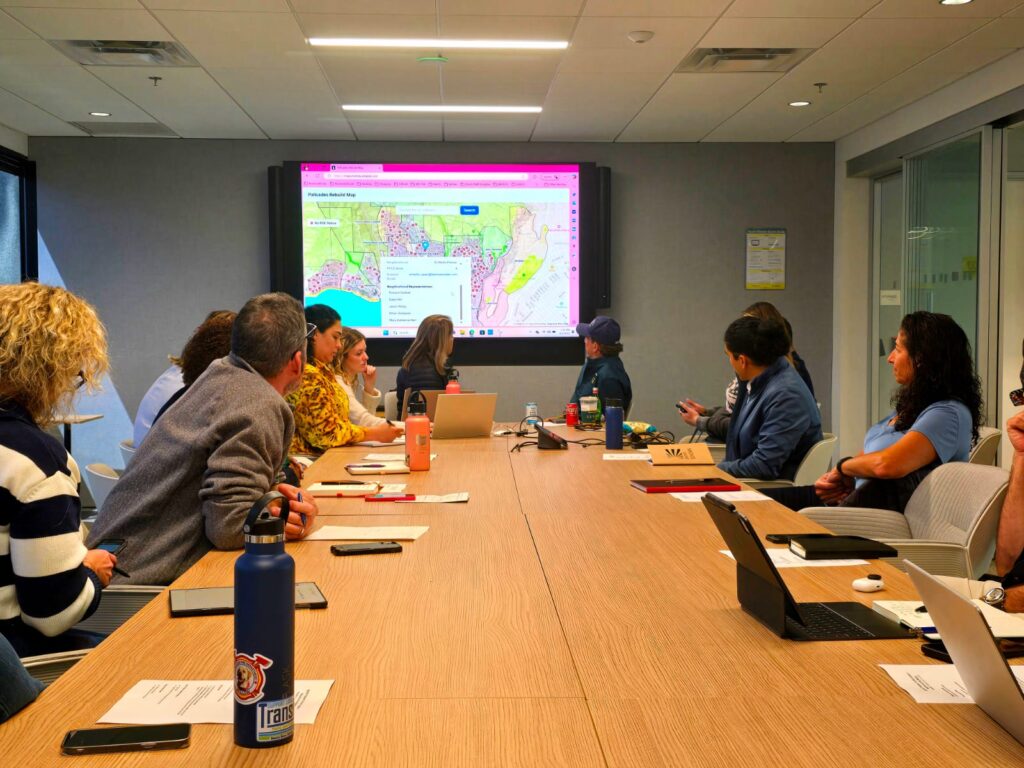
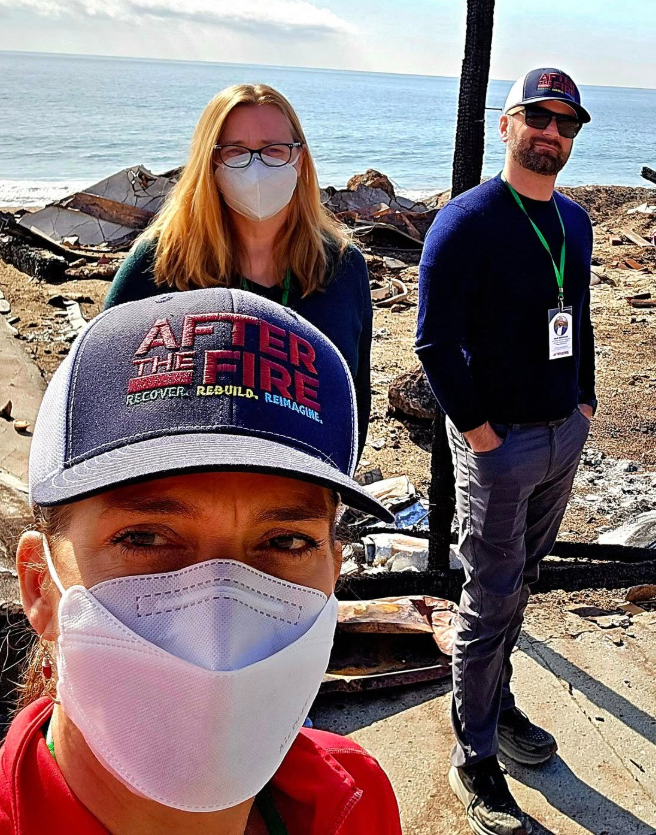
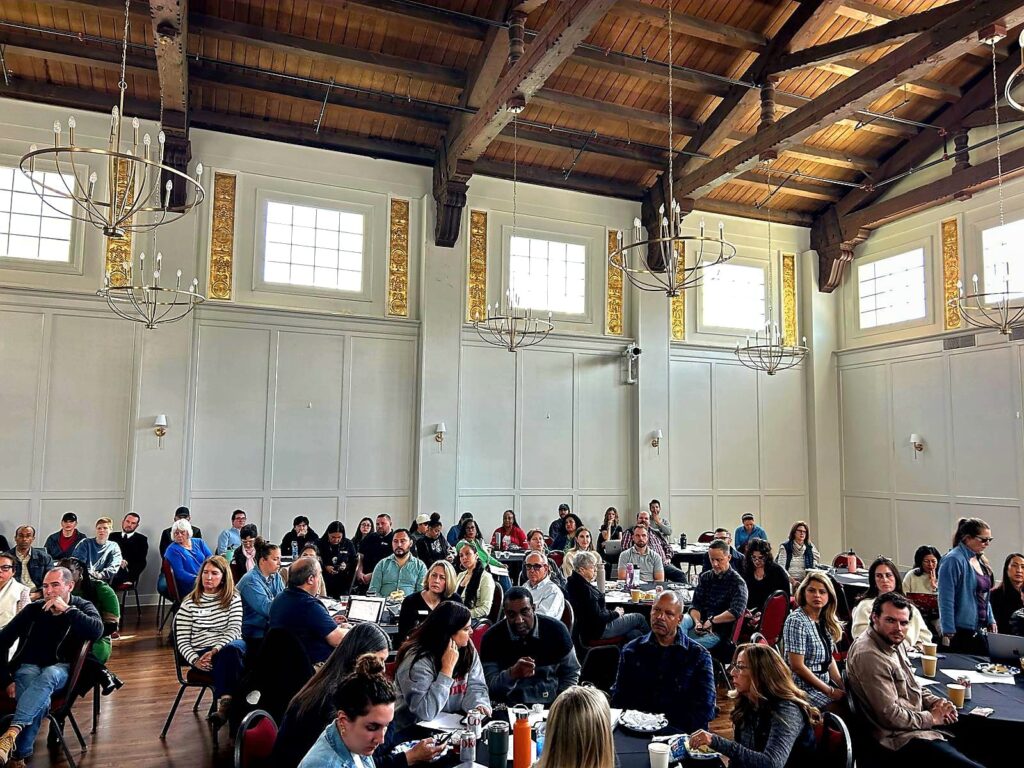
| After the Fire USA is actively engaged in early recovery: advising leaders, connecting communities with prior fire survivors and practitioners, supporting communication systems, and bringing lessons from North Bay, Camp, Oregon, Marshall, Maui, and other fires into the response. The organization is supporting Block Captain and community organizing transfer, advising on permitting infrastructure gaps, and tracking equity indicators for the Altadena community. This work is ongoing and evolving. |
Links
Policy Takeaways
Debris clarity reduces delays and confusion — the Phase I/II framework should be standard in every major fire
A dedicated permit center with published turnaround targets is the single highest-return institutional decision LA leaders can make today
Altadena requires a specifically designed equity-centered system — not the Palisades system applied uniformly
Year 3 surge preparation: survivors resolving insurance and legal disputes will arrive at the permit counter in 2027–2028; capacity must be built now
Early clarity prevents years of avoidable confusion — SCE claims navigation must be simplified and actively supported