
Marshall Fire
DECEMBER 2021 · BOULDER COUNTY, COLORADO
1,084
STRUCTURES DESTROYED
REBUILT BY LATE 2025
Xcel
COMPENSATION PATHWAY
SUBURBAN FIRE IN U.S. HISTORY
Summary
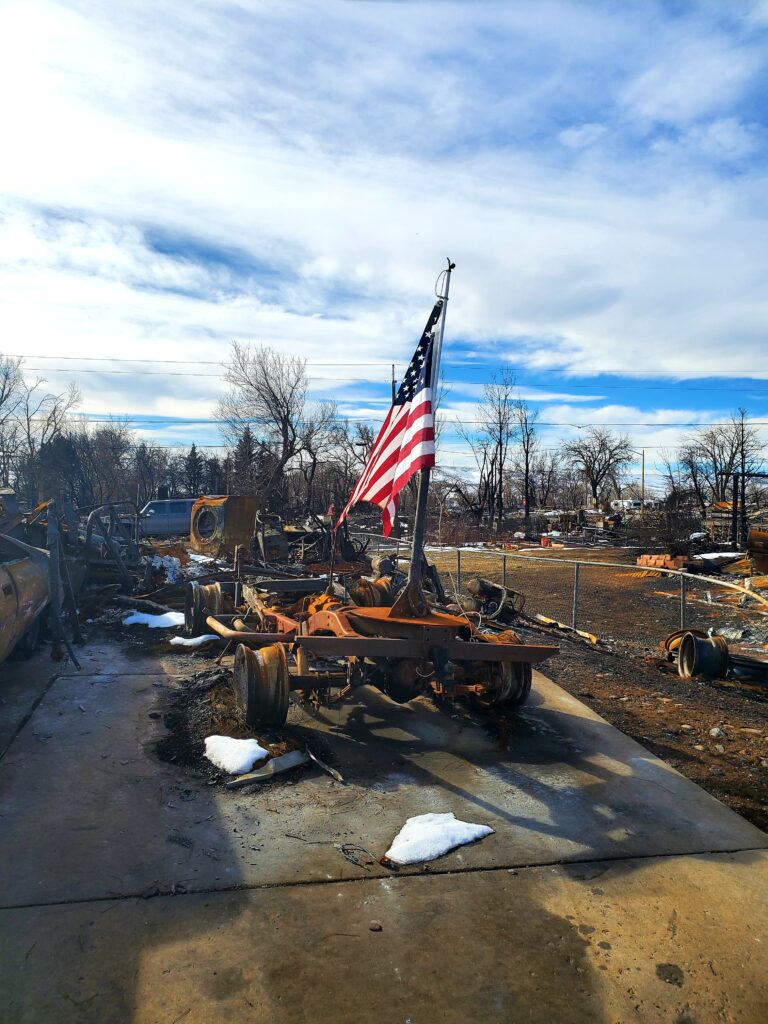
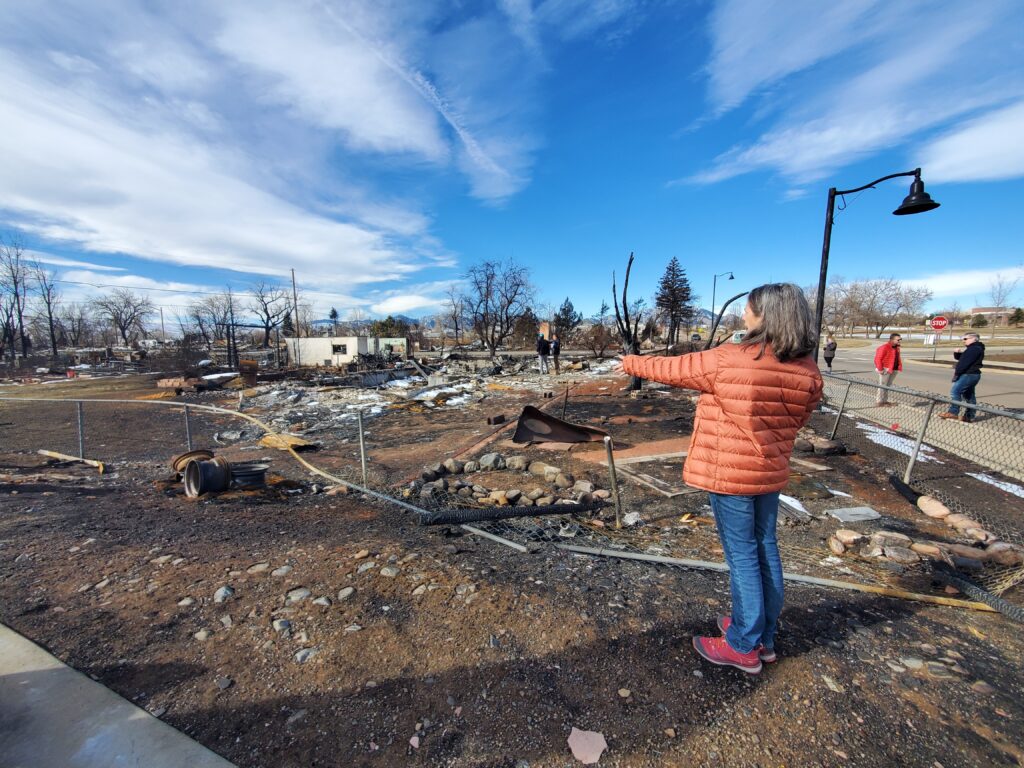
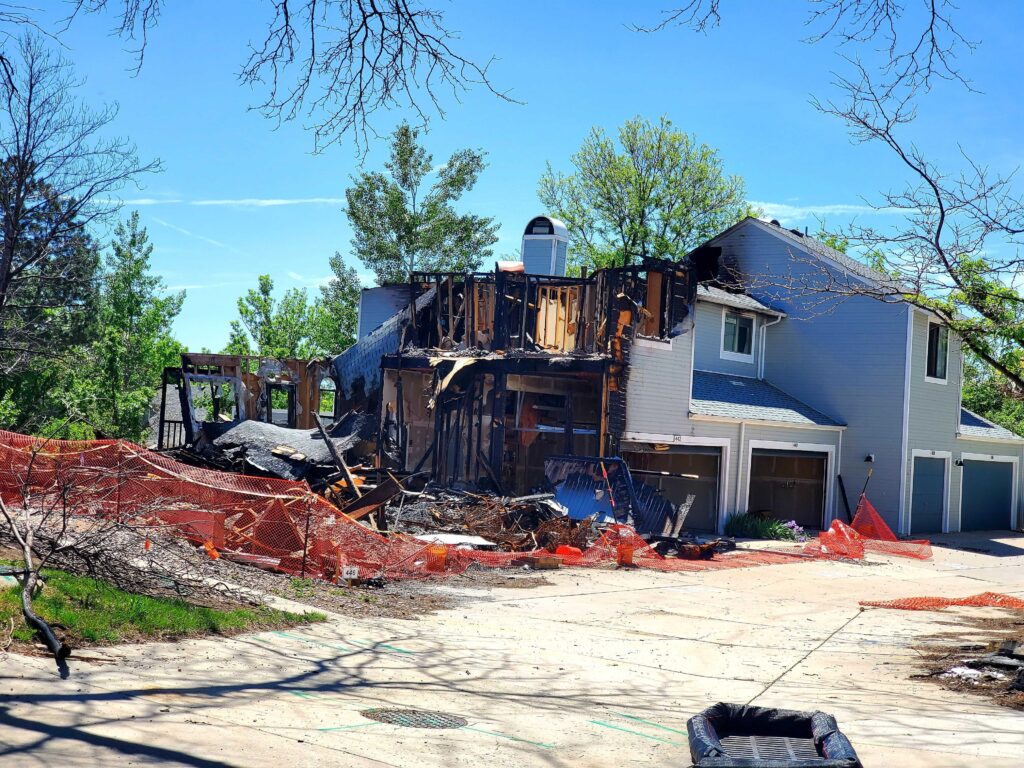
The Marshall Fire destroyed approximately 1,084 homes on December 30, 2021 — the fastest-moving suburban wildfire in U.S. history, burning through the Boulder County subdivisions of Superior and Louisville. It is one of the fastest recoveries observed, but it should not be used as a direct comparison. Marshall occurred in a relatively affluent suburban community with strong insurance, engaged residents, responsive government, and strong philanthropic capacity.
Why It Matters
Marshall is often cited because of its high rebuild percentage, but those conditions accelerated recovery in ways that are not replicable everywhere. Its real value is as a policy innovation lab: Colorado built on California and Oregon laws to solve new problems around HOAs, fire-safe materials, and interest on insurance proceeds.
“Fast recovery does not mean comparable recovery.” - After the Fire USA
Quick Facts
Recovery Context
- Structures Destroyed
- 1,084 – 1,109 homes
- Community Type
- Suburban/Grassland
- Infrastructure
- Strong, modern — no septic, road, or access constraints
- Demographics
- Higher income, well-insured, highly engaged
- Compensation Pathway
- Xcel Energy settlement (utility-related)
- Philanthropy Scale
- Moderate to high
- Rebuilt by Late 2025
- 70–75% (certificates of occupancy)
- Key Complexity
- Wildflower condominiums: 1/3 destroyed, 1/3 damaged, 1/3 pristine — all shared financial responsibility
Recovery Status
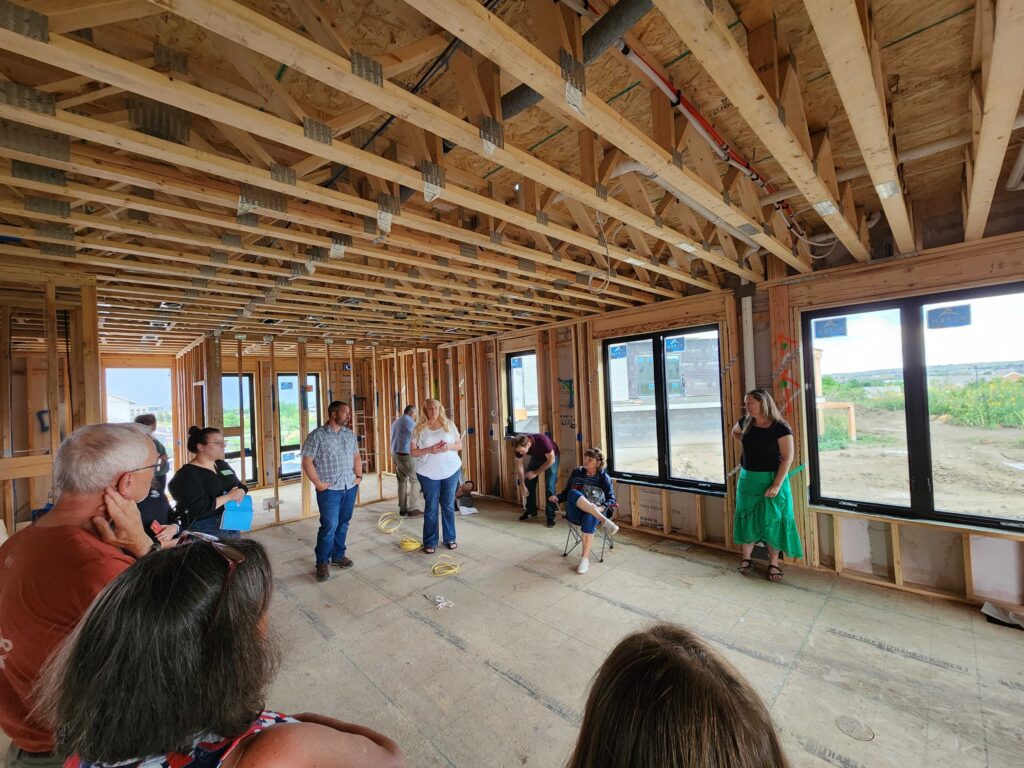
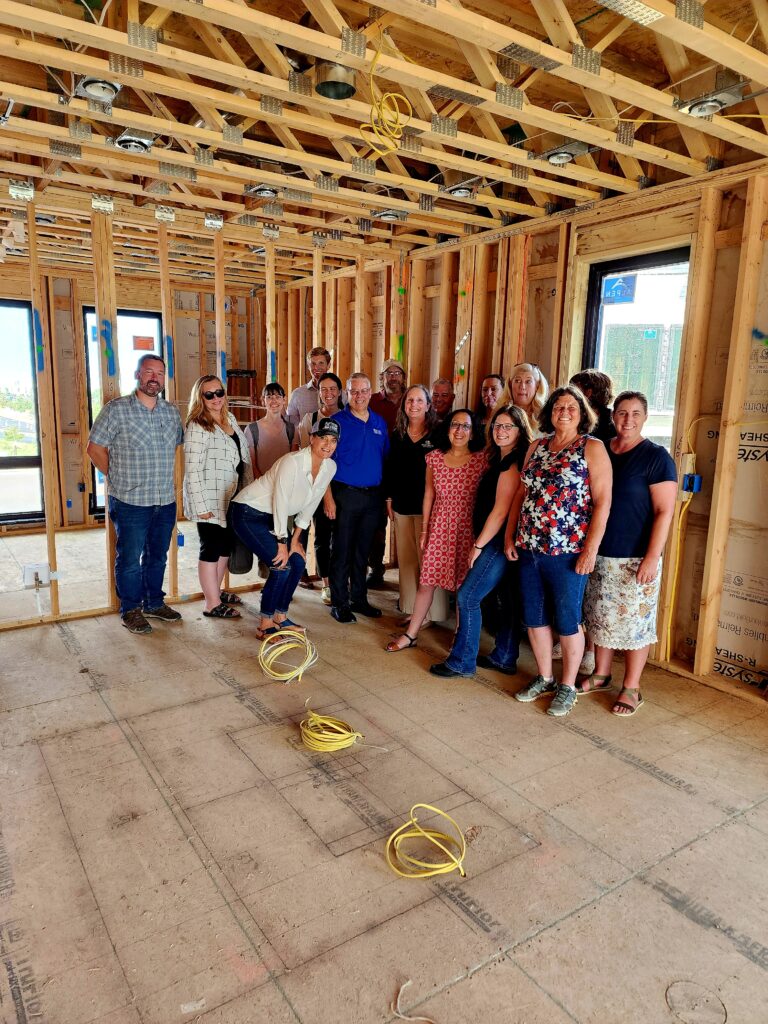
70–75% rebuilt within roughly 3–4 years — pace not typical; interpret in light of Marshall’s unique conditions
Marshall Together Slack community organized by topic and recovery stage — one of strongest post-disaster comms systems observed
Local, state, and federal representatives highly present and responsive
Wildflower condo situation: complex shared responsibility across units with very different damage levels
Remaining cases: cost disputes, relocation decisions, complex legal situations
Best Practices
What Worked: Field-tested by After the Fire USA
Marshall Together Slack community — survivor-led, organized by topic and recovery stage, became one of strongest post-disaster comms systems observed |
Government alignment — local, state, and federal representatives highly present and responsive, helping align resources and reduce delays |
Policy innovation — Colorado built on CA and OR laws to solve new problems: HOAs blocking fire-safe materials, banks not conveying accrued interest to homeowners |
Our Work
After the Fire USA: Our Work in this community
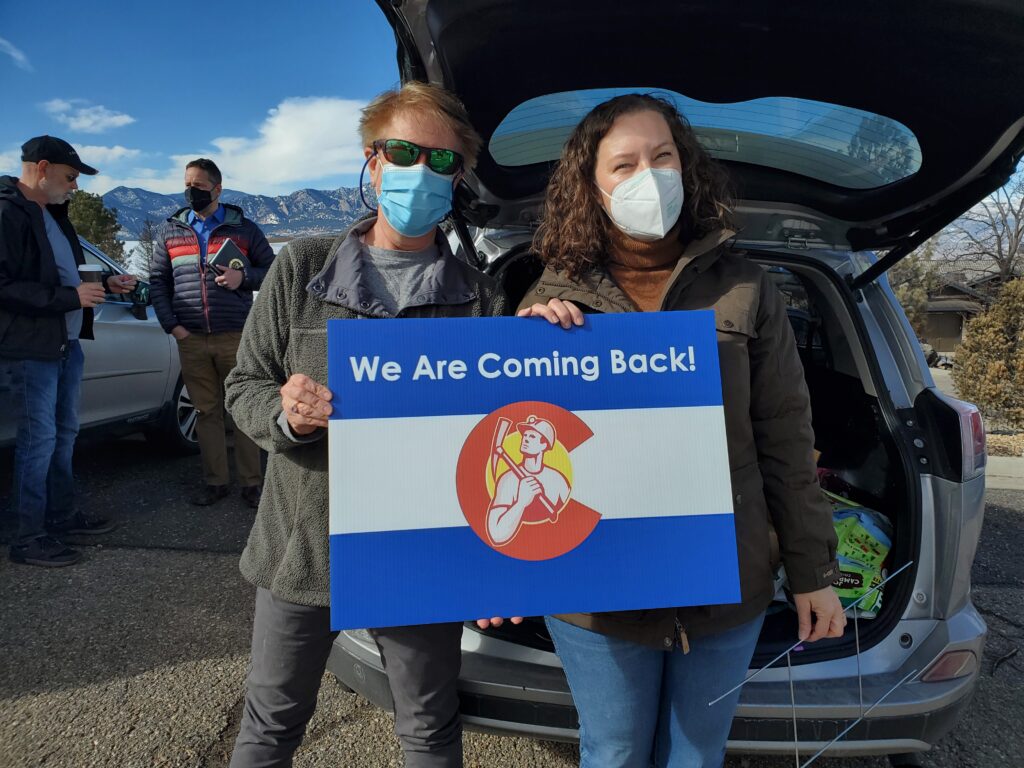
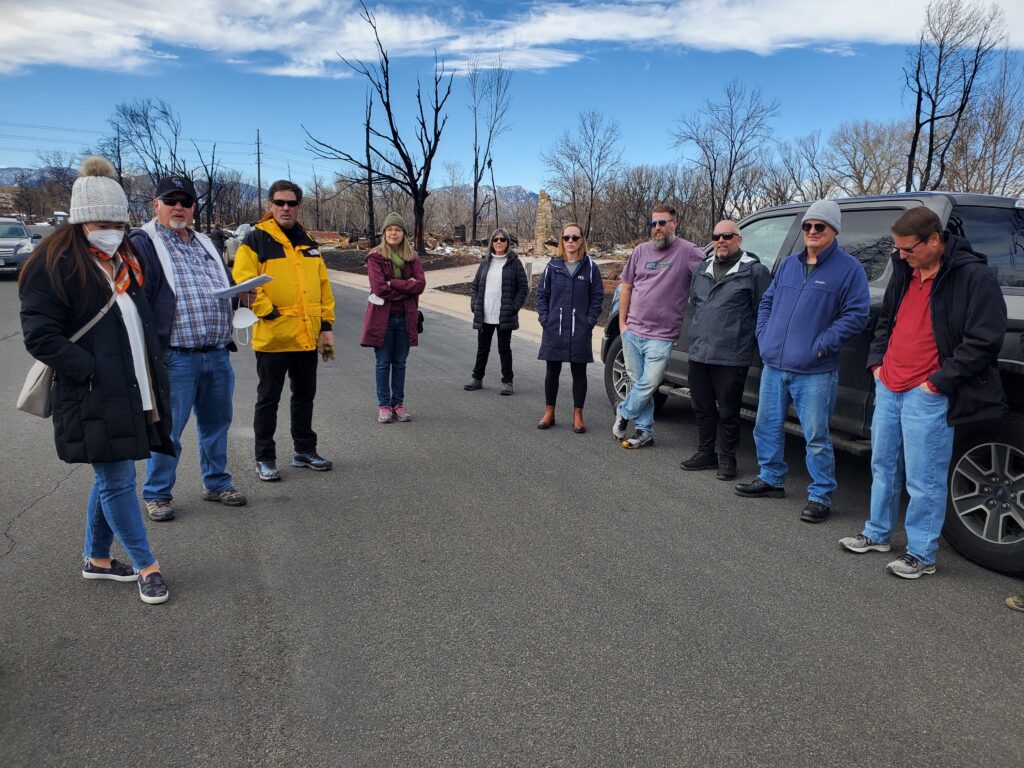
| After the Fire USA responded early and traveled several times to Boulder County, bringing Block Captains, Fannie Mae, and experienced recovery leaders. The organization learned alongside the community, including the complex Wildflower condominium situation. After the Fire USA transferred policy learning from California to Oregon to Colorado. Colorado then improved on prior models, including laws preventing HOAs from blocking fire-safe rebuilding materials and requiring banks holding insurance proceeds to convey accrued interest back to homeowners. Marshall leaders were later brought into subsequent fire recoveries and national tax advocacy work. |
Links
Survivor-led community group; link to be confirmed
https://bouldercounty.gov/marshall-fire-recovery-dashboard/
Policy Takeaways
Fast recovery does not mean comparable recovery — Marshall’s conditions are not replicable in most fires
Policy transfer across fires works — Colorado improved on CA and OR laws to solve new problems
HOA rules can block fire-safe rebuilding; state law is the appropriate remedy
Banks must convey accrued interest on insurance proceeds to homeowners — now Colorado law
Full transparency (including non-rebuild outcomes: sold, stalled) builds accountability and trust