
North Bay Fires
2017-2020 • Sonoma County & Region, California
North Bay structures (2017)
Kincade structures (2019)
LNU + Glass structures (2020)
Fires on one page
Summary
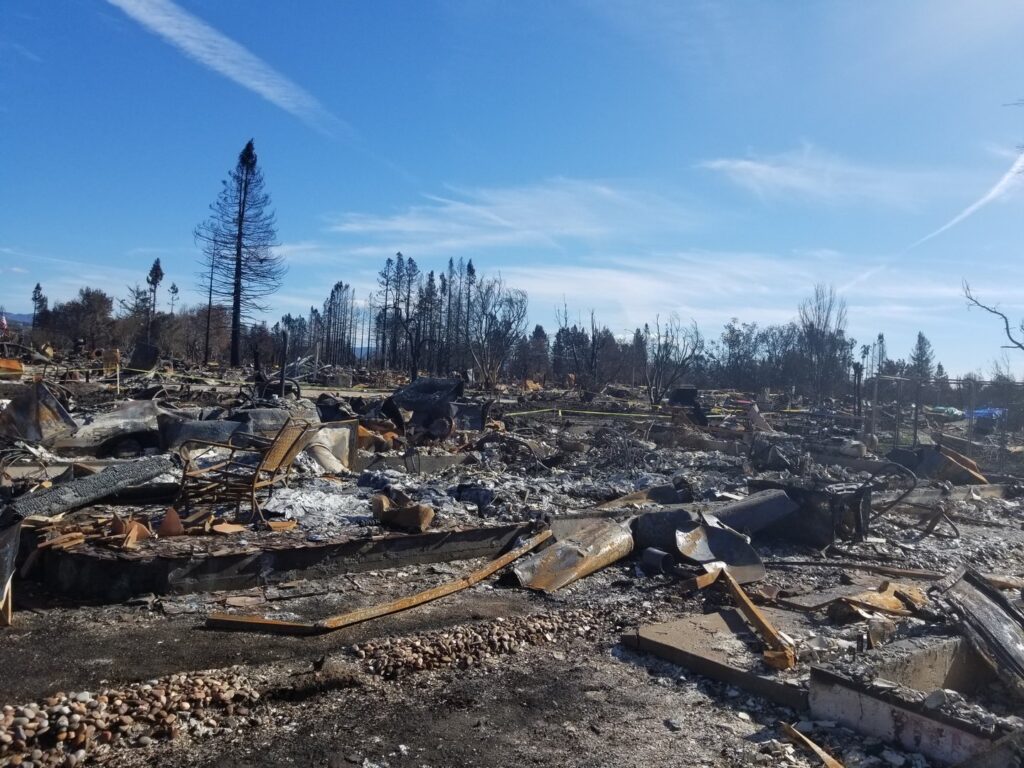
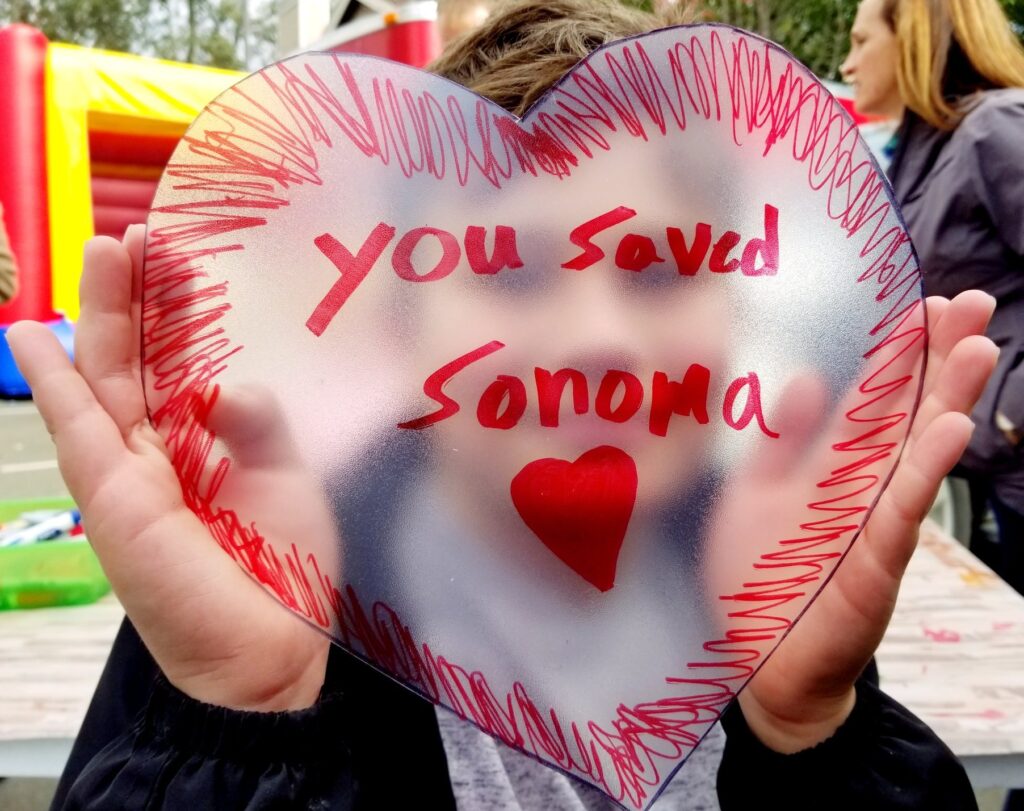
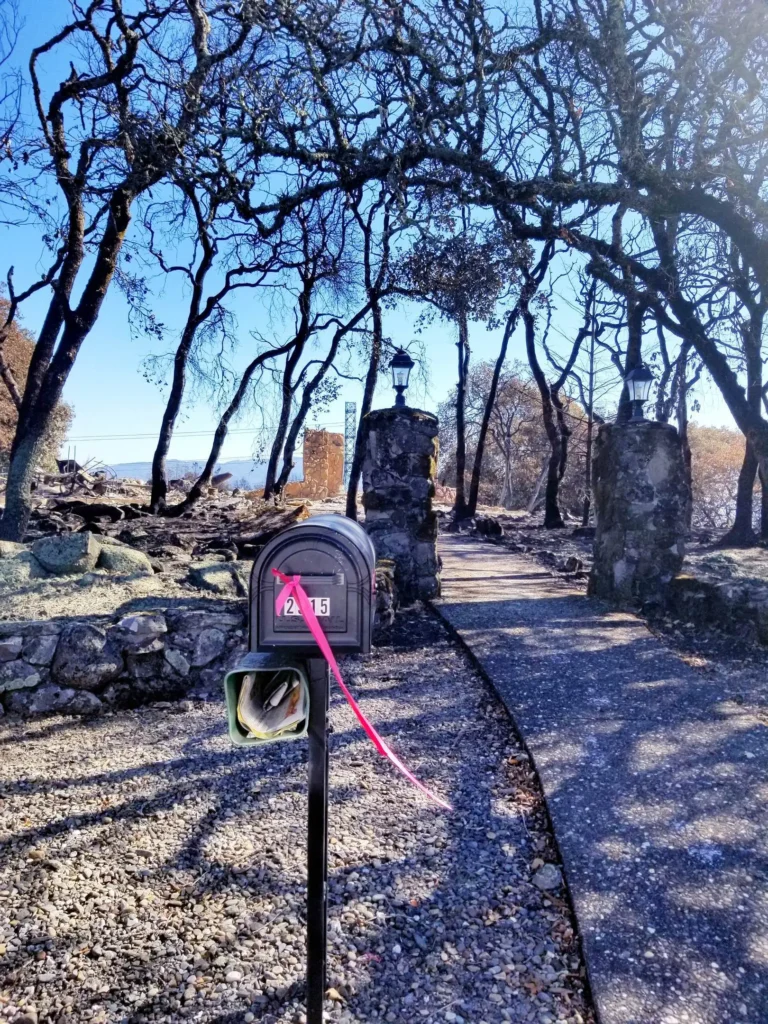
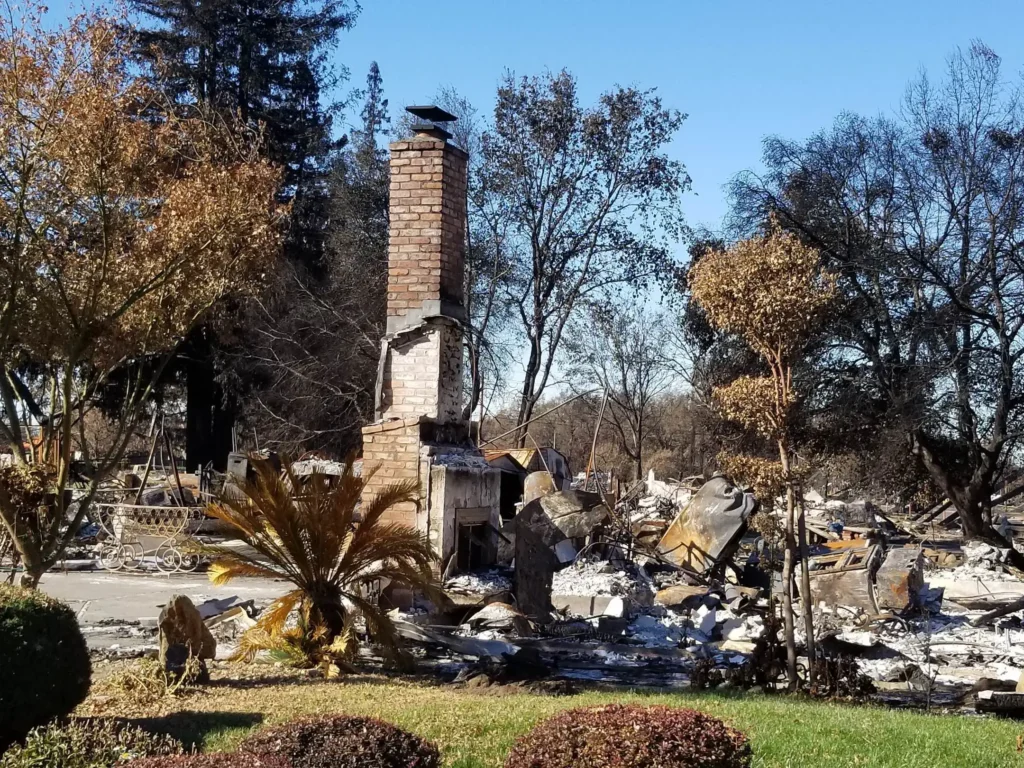
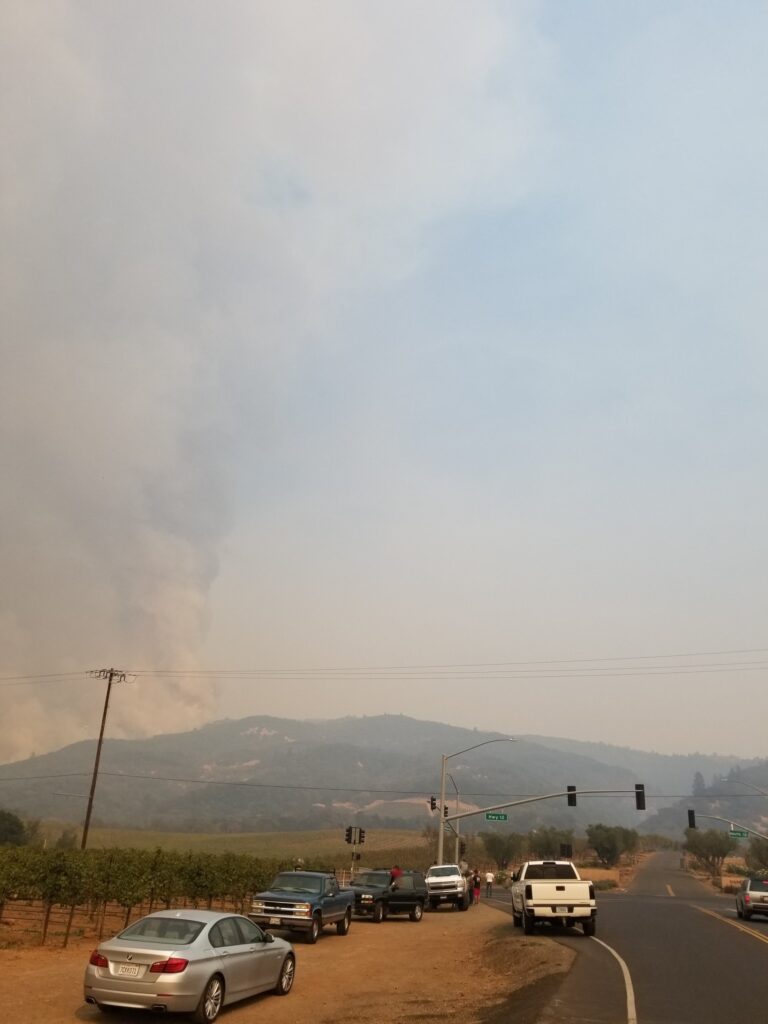
Five fires over four years. The 2017 North Bay Fires — including the Tubbs Fire — were the first modern multi-county catastrophic housing loss event in California and the disaster that launched After the Fire USA. Kincade (2019), LNU/Walbridge (2020), and Glass (2020) are best understood as repeat-disaster stress tests for the systems built after 2017. Together they tell a single story: what it means to build recovery infrastructure, maintain it, and deploy it again.
Why It Matters
The Sonoma County fires are the foundation of the national cross-fire learning record. Every model After the Fire USA carries into other disasters — Block Captains, public dashboards, dedicated permit centers, permanent recovery infrastructure — was developed or proven here. Kincade and the 2020 fires confirmed that the investment in 2017 systems paid measurable dividends.
“Recovery does not start with completed homes — it starts with a functioning pipeline.” — After the Fire USA
Quick Facts
The Fires
- Tubbs Fire (2017)
- 5,636 structures • Santa Rosa (Coffey Park, Fountaingrove) • Fire that launched ATF USA
- North Bay Complex (2017)
- ~8,900 structures total • Sonoma, Napa, Lake, Mendocino Counties • 43 fatalities
- Kincade Fire (2019)
- 374 structures • Geyserville area • Handled on Tubbs-era systems
- LNU/Walbridge (2020)
- ~1,491 structures • Lake, Napa, Sonoma, Yolo Counties • Rural
- Glass Fire (2020)
- ~1,500 structures • Napa and Sonoma Counties • Reburn area
Recovery Context
- Community Type
- Suburban/Urban Mix (2017) · Rural/Suburban (2019–2020)
- 2017 Compensation
- Fire Victim Trust (PG&E settlement) — Note: The FVT has not been a positive experience for many survivors, who have waited years and as of 2026 have received only approximately 70% of their claim determinations.
- 2019–2020 Compensation
- Non-claimant fires — no settlement pathway
- Philanthropy Scale
- High (2017) · Moderate (2019–2020)
- Key Dynamic
- Repeat disaster — systems built after 2017 deployed again in 2019 and 2020
- Key Gap Revealed
- Language access for Spanish-speaking and non-English-speaking communities not fully built until 2020
Recovery Status
Santa Rosa (Tubbs): ~2,500 COs at 6 years — ~80% of city losses rebuilt
North Bay Complex county-wide: ~4,600 COs at 6 years (~75% resolved)
Kincade: integrated into Permit Sonoma systems without a separate recovery structure — faster as a result
LNU: parcel-level tracking via Sonoma County RESA maps; no unified multi-county system established
Glass: existing Sonoma County systems absorbed parcels; FEMA frameworks as primary backbone
~180,000 people evacuated in 12 hours during Kincade — mass evacuation capacity demonstrated
Language access gap: county did not fully stand up dedicated translation capacity until 2020 during COVID
Best Practices
What Worked: Field-tested by After the Fire USA
Block Captain networks (Coffey Park, Fountaingrove) → scalable, trusted communication infrastructure — now used nationally
Resiliency Permit Center live within 4 months — 5-day plan-check turnaround published and enforced — the national benchmark
Third-party plan review decoupled from normal queue — prevented backlogs from stalling early pipeline
Public rebuild dashboard tracking every parcel from application to CO
Permanent recovery infrastructure: Kincade and Glass deployed Tubbs-era systems without starting over
North Bay Forest Improvement Program with CAL FIRE → linked recovery with long-term fuel reduction on private land
Mass evacuation at scale — 180,000 people moved in ~12 hours during Kincade
Redundant alert systems — digital and analog overlapped, improving reach across the region
Our Work
After the Fire USA: Our Work in this community
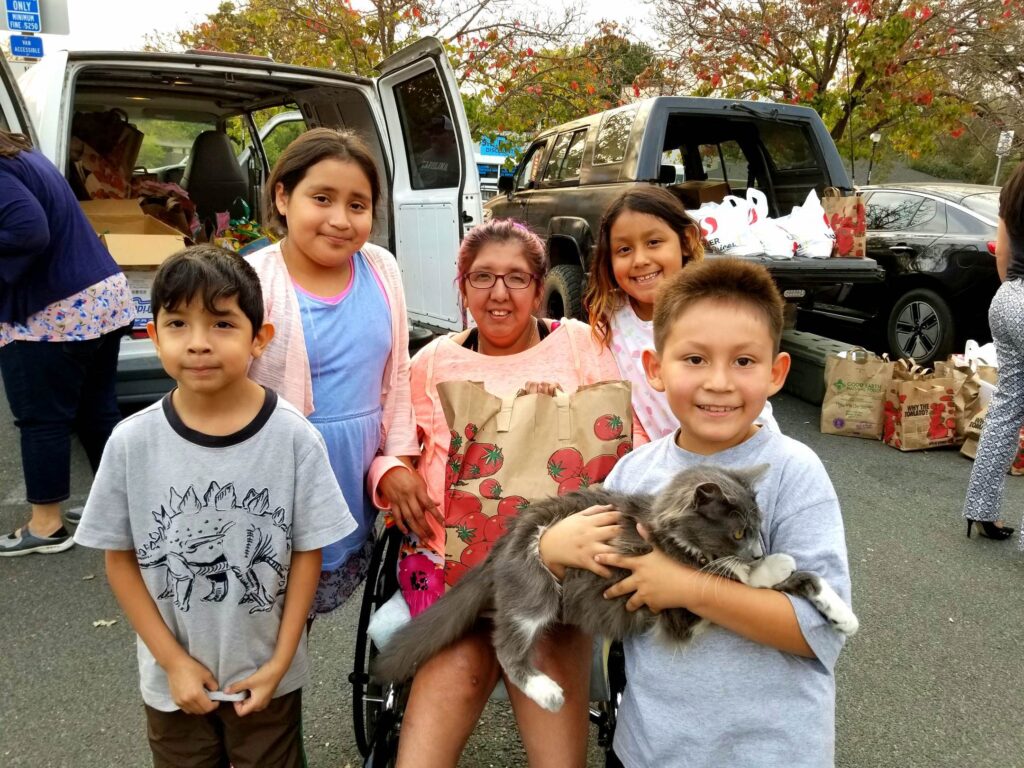
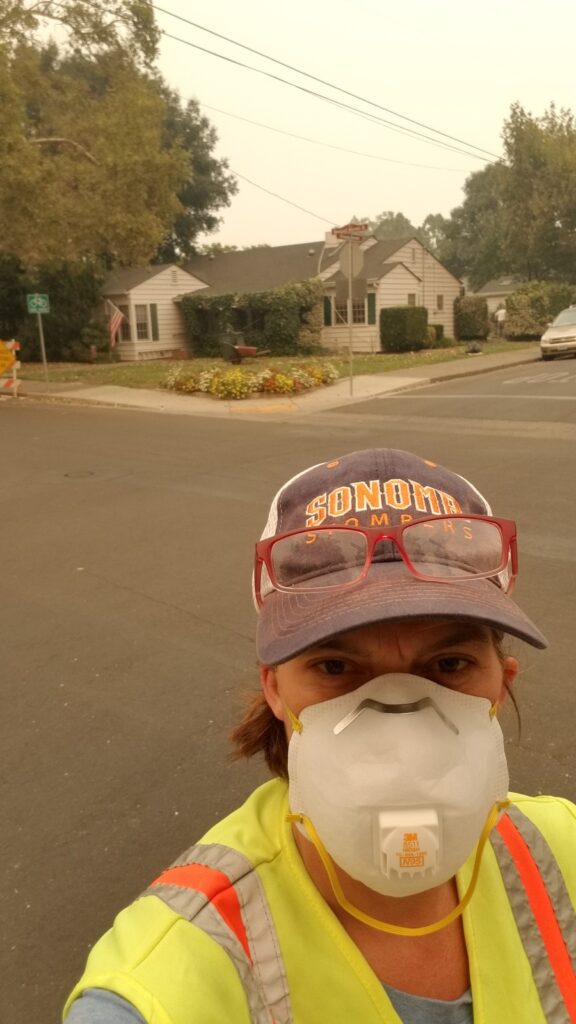
Rebuild North Bay Foundation was established during the 2017 fires to coordinate long-term recovery across all four counties, serving as a hub for government, nonprofit, philanthropic, and private sector partners. The organization deployed approximately $500,000 in small grants for unmet needs; led shared infrastructure projects including retaining walls, neighborhood fencing, and multi-home rebuilding efforts; and launched the North Bay Forest Improvement Program with CAL FIRE. This work evolved into After the Fire USA. For Kincade and the 2020 fires, ATF USA and regional partners supported redeployment of systems born from 2017: evacuation planning, community communication, analog and digital alerts, and survivor-centered coordination. The period also surfaced a critical gap — language access — that ATF USA now treats as non-negotiable infrastructure in every subsequent fire.
Links
Policy Takeaways
Recovery speed correlates directly with local organizing capacity — it must be built, not assumed
Permanent recovery systems outlast any single fire — Kincade and the 2020 fires proved it
The 5-day plan-check turnaround standard set in Santa Rosa is the national benchmark ATF USA uses in every fire
Language access is not optional — emergency and recovery systems must reach all residents from day one
Recovery must include mitigation or losses will repeat — Glass reburned what 2017 had already burned
Repeat disasters test whether recovery systems were actually built to last