
Woolsey Fire
2018 • Los Angeles and Ventura Counties, California
1,643
Structures destroyed
Fatalities
96,949
ACRES BURNED
EXTENDED RECOVERY FOR MANY
Summary
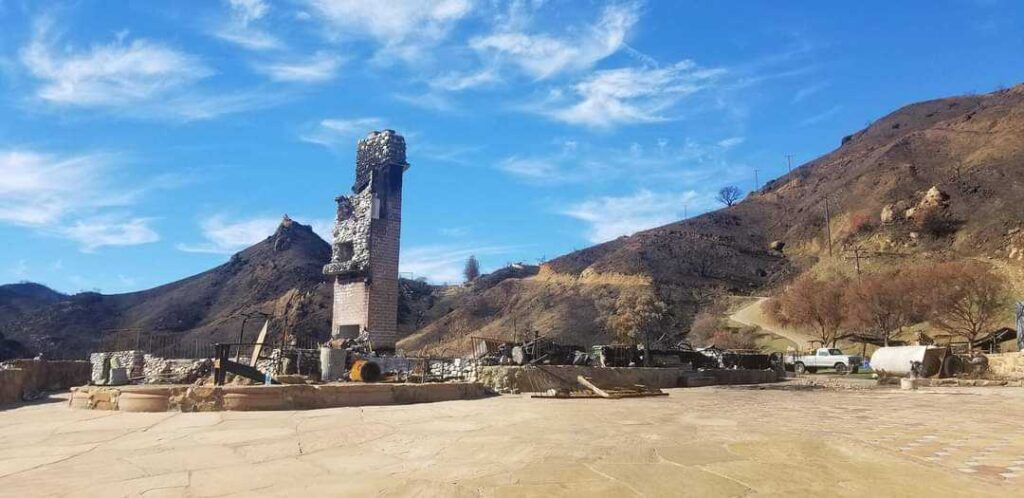
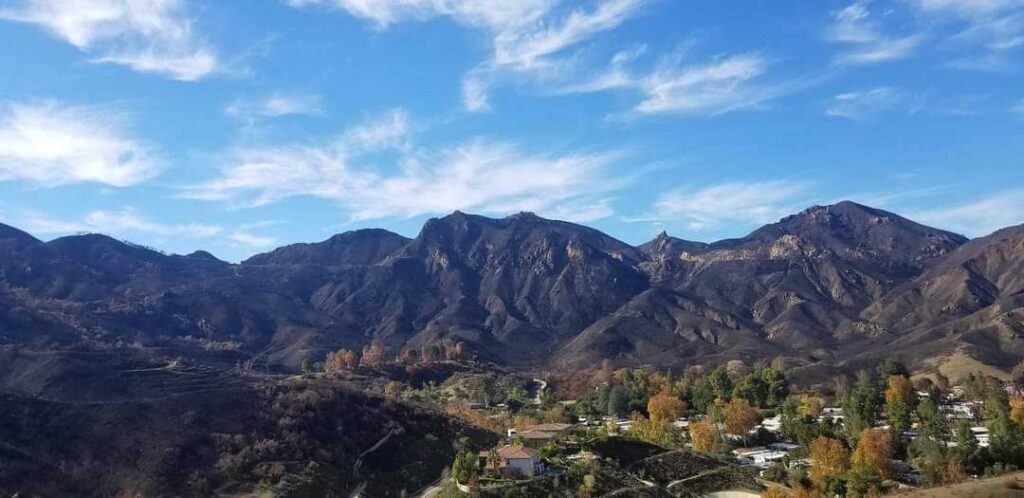
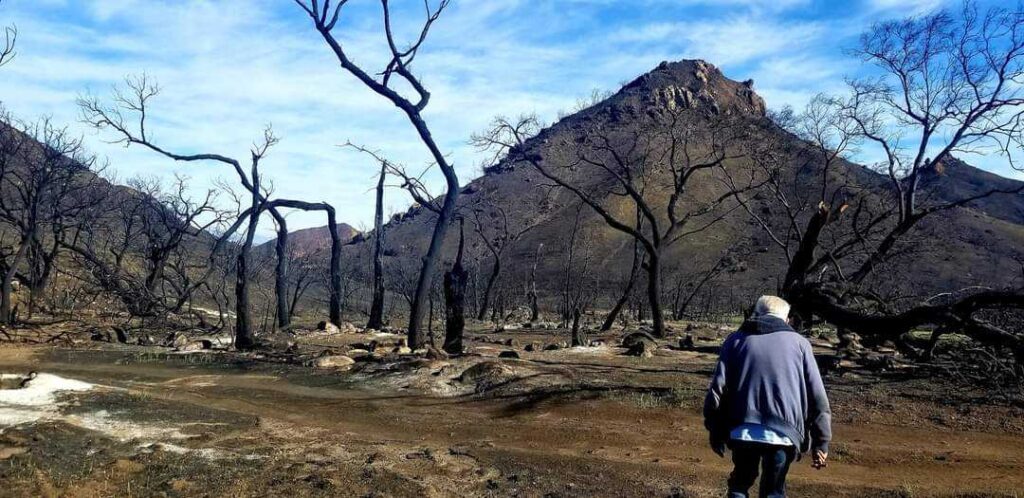
The Woolsey Fire ignited on November 8, 2018 ó the same day as the Camp Fire, burning across Los Angeles and Ventura Counties. It destroyed approximately 1,643 structures and exposed critical gaps in communication, mutual aid, and coastal recovery systems. Many residents experienced recovery timelines extending beyond seven years.
Why It Matters
Woolsey showed what happens when multiple catastrophic fires compete for limited statewide resources. With major mutual aid already deployed to Camp, Woolsey did not receive sufficient outside support. It was also the fire that forced deeper learning about coastal recovery: California Coastal Commission rules, custom home rebuilding, canyon access constraints, and regulatory complexity.
“Woolsey taught us what happens when systems fail at the same time.” - After the Fire USA
Quick Facts
Recovery Context
- Structures Destroyed
- 1,643
- Fatalities
- 3
- Acres Burned
- 96,949
- Community Type
- Rural
- Infrastructure
- Strong but fragmented across jurisdictions
- Loss Type
- Mixed housing + high-value custom homes
- Demographics
- Mixed, higher income; Seminole Springs was manufactured housing
- Compensation Pathway
- Non-claimant fire (no utility settlement pathway)
- Philanthropy Scale
- Moderate
- Key Constraint
- Multi-jurisdiction (LA + Ventura); coastal regulations; custom home complexity
- Claimant Status
- Non-Claimant Fire
Recovery Status
Recovery extended beyond 7 years for many households, especially custom coastal/canyon homes
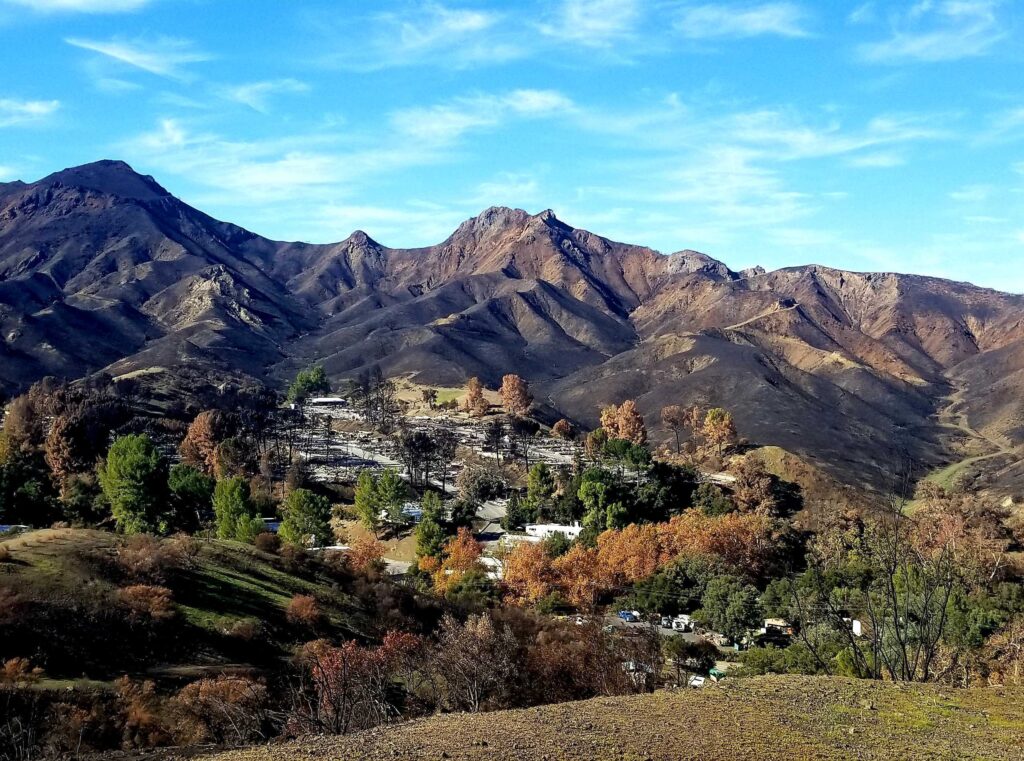
Seminole Springs mobile home park (Agoura Hills) lost ~110 units (~half the park); sustained engagement required
Coastal regulations, layout changes, permitting complexity, and underinsurance created significant delays
Even where third-party permitting support was deployed, regulatory and coastal constraints slowed progress
Best Practices
What Worked: Field-tested by After the Fire USA
Communication failure as a lesson; collapse of cellular, Wi-Fi, and radio systems showed the need for redundant terrain-appropriate emergency comms
Seminole Springs engagement; sustained ATF USA presence helped a resident-owned mobile home park navigate a difficult, multi-year recovery
Coastal recovery learning; Woolsey clarified how coastal rules, custom homes, and permitting complexity extend timelines in ways that standard playbooks do not anticipate
Our Work
After the Fire USA: Our Work in this community
After the Fire USA reached out immediately to a newly formed local nonprofit and provided extensive support over the next year, including recovery documents, collateral, and survivor-facing materials. The work produced hard lessons about partner selection, community dynamics, and how not every newly formed organization is prepared to carry recovery responsibly. The organization stayed engaged with Seminole Springs ó a resident-owned mobile home park in Agoura Hills that lost approximately 110 units, about half the park. After the Fire USA brought Fannie Mae to the community, returned several times, and stayed connected as residents navigated a difficult recovery. These lessons now inform how ATF USA vets and supports partner organizations in early recovery.
Links
Policy Takeaways
Multi-jurisdiction fires require unified recovery governance built before the fire & not negotiated after
Emergency communication systems must be redundant and terrain-appropriate because canyon terrain can defeat cellular systems
Coastal regulations are a genuine constraint that must be planned for, not treated as bureaucratic obstacles
Partner selection in early recovery matters & not every newly formed organization is equipped to carry survivor trust
Custom home rebuilding almost always takes longer & timeline expectations must be set accordingly