
Oregon Fires
2020 · JACKSON, MARION, LINN, LANE COUNTIES, OREGON
ALMEDA STRUCTURES
SANTIAM STRUCTURES
HOLIDAY FARM STRUCTURES
TOTAL COMBINED
Summary
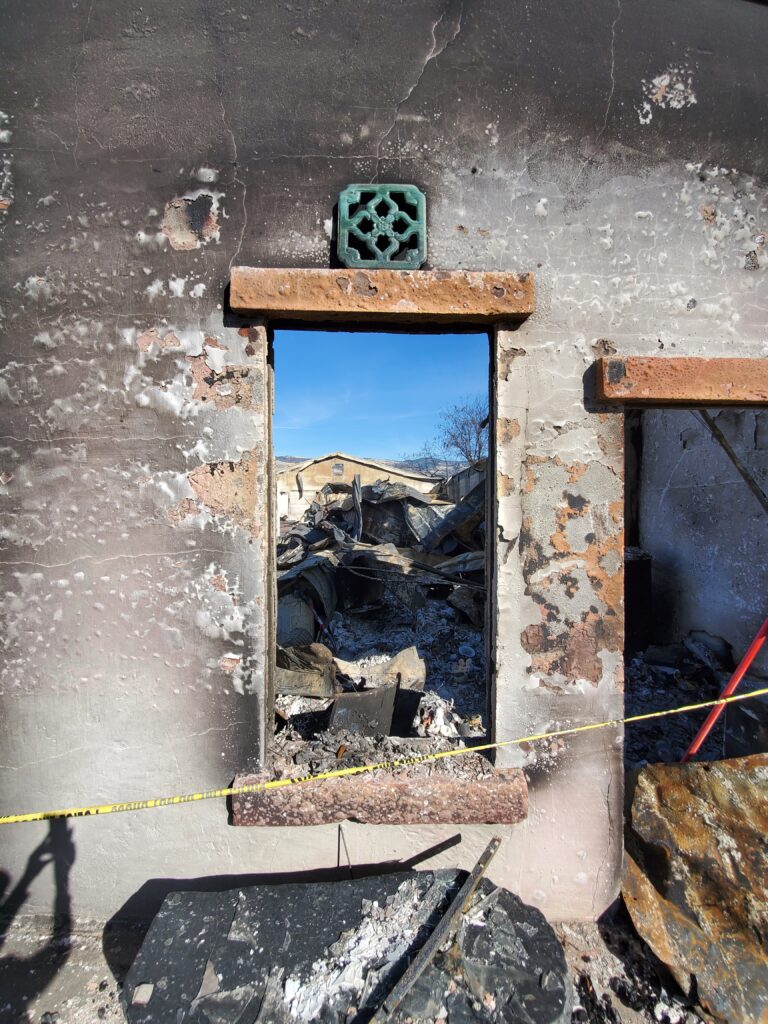
The 2020 Oregon Fires, ignited during Labor Day wind events, destroyed thousands of homes across Southern and Western Oregon. The Almeda Fire is the clearest prior example in our national record of equity as a primary recovery variable. Santiam produced a healthcare-anchored recovery model. Holiday Farm demonstrated how infrastructure dependencies can stall an entire valley.
Why It Matters
The Oregon fires produced major innovations in equitable housing recovery, manufactured housing protection, FEMA housing flexibility, and rural recovery systems. They also revealed how disasters disproportionately harm low-income residents, manufactured home park residents, and rural communities with limited infrastructure.
"Rural recovery works best when trusted local institutions become the organizing structure." - After the Fire USA
Quick Facts
The Fires
- Almeda Fire (2020)
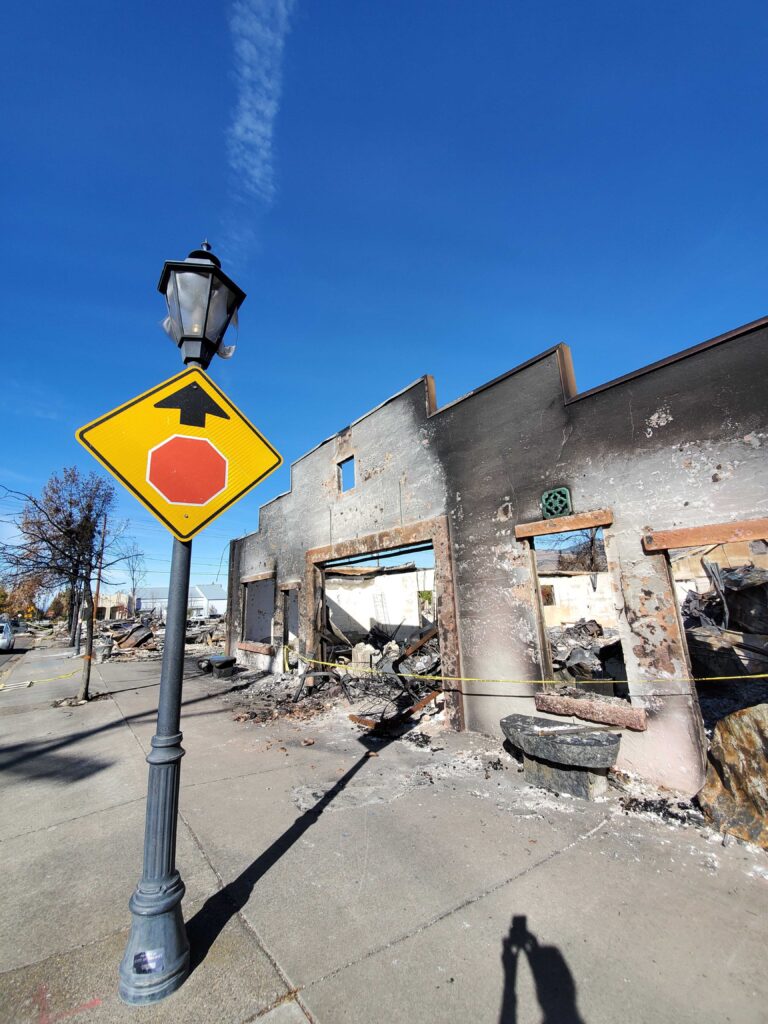
- 2,681 structures · Jackson County · Urban Interface · Rogue Valley
- Santiam Canyon (2020)
- 1,500 structures · Linn + Marion Counties · Rural
- Holiday Farm (2020)
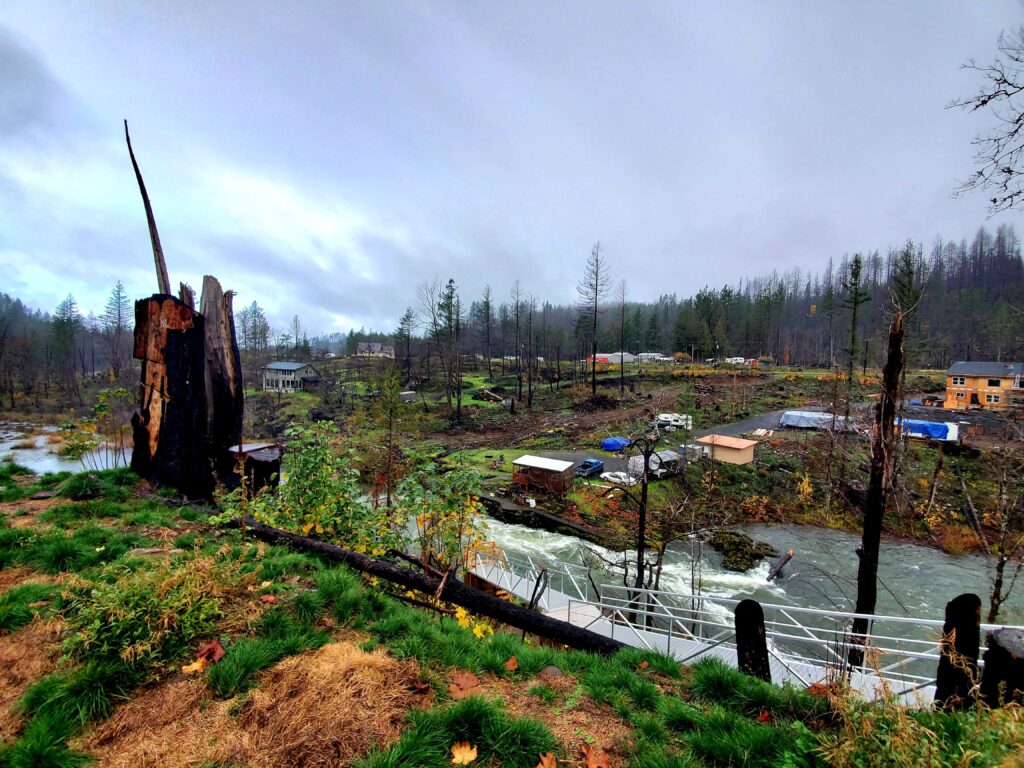
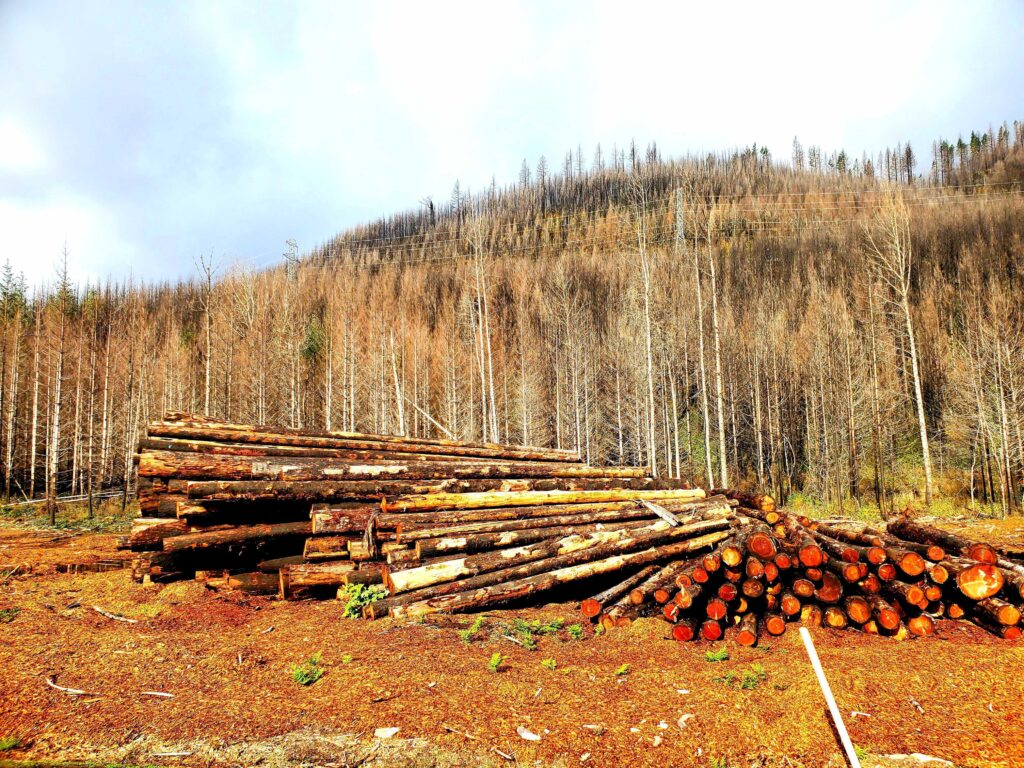
- 455 structures · Lane County · Rural · McKenzie River Valley
- Almeda Claimant Status
- Arson fire; separate pathway
- Santiam Claimant Status
- Utility-related claimant pathway
- Holiday Farm Claimant
- Non-claimant or separate pathway
- Key Equity Note
- Almeda burned through high-renter, BIPOC, lower-income communities — standard homeowner systems failed them
- Primary Innovation
- Resident-owned manufactured housing (CASA Oregon) and FEMA infrastructure flexibility
Recovery Status
Almeda: progress uneven; affordable housing not replaced at scale; renter displacement documented
CASA Oregon converted Talent Mobile Estates to resident-owned community using Fannie Mae model
FEMA left modernized infrastructure in place at former Totem Pole park, a major recovery innovation
Santiam: hospital district led emergency activation, donation systems, and disaster case management
Holiday Farm: septic grants were the pivotal intervention ó unlocking permits stalled by infrastructure
School district in Talent and Phoenix played an important unifying role across divide
Best Practices
What Worked: Field-tested by After the Fire USA
Resident-owned manufactured housing — CASA Oregon used Fannie Mae financing model to convert a park to resident ownership
FEMA infrastructure flexibility — at Totem Pole park, FEMA agreed to leave modernized infrastructure in place post-housing mission
Hospital district-led recovery — in Santiam Canyon, the hospital district rapidly expanded into emergency coordination and disaster case management
Septic system grants — Holiday Farm: targeted grants solved a specific stall and unlocked the entire recovery pipeline
Our Work
After the Fire USA: Our Work in this community
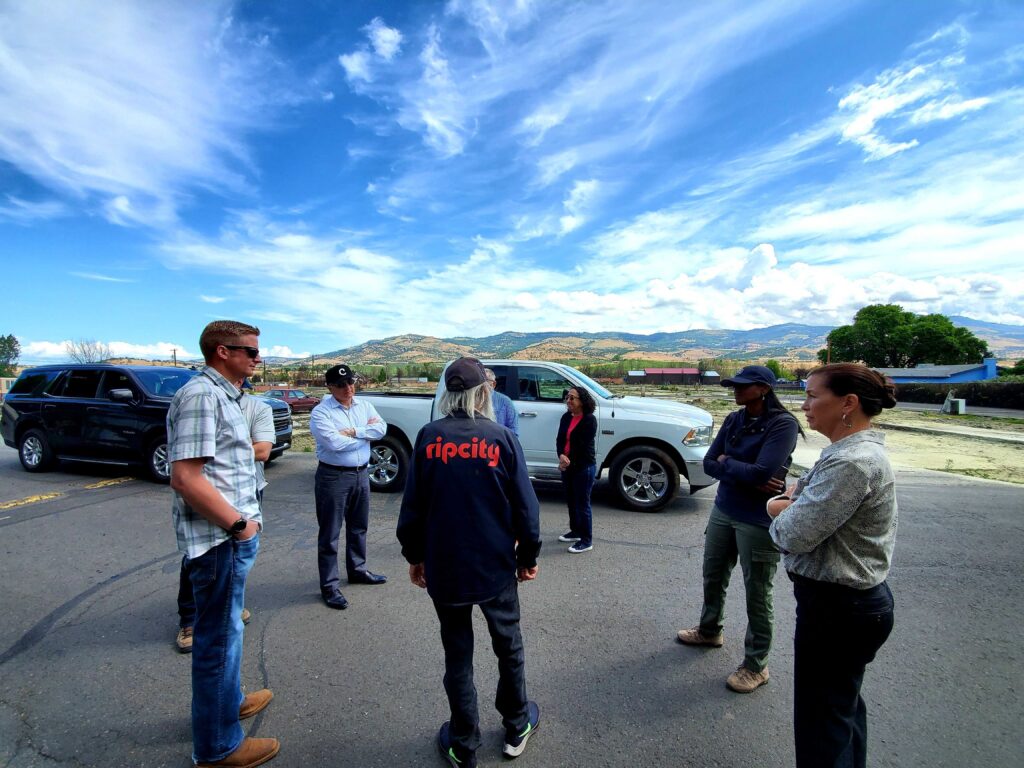
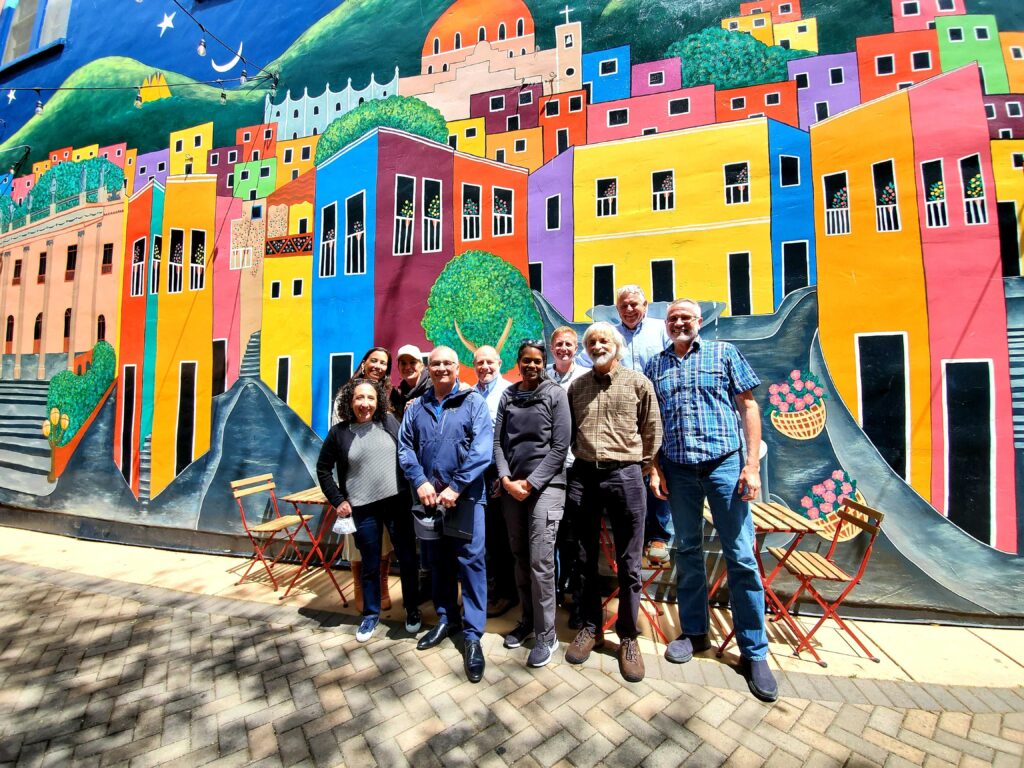
| After the Fire USA visited the Almeda Fire area several times and brought national partners, including Fannie Mae, to support recovery conversations. The organization advised on community recovery, shared legislative packages from California, and connected local leaders to resources. After the Fire USA also elevated the work of regional innovators including Lomakatsi Forest Restoration Project, which has used Indigenous-informed land stewardship, workforce development, and ecological restoration practices for decades. The Firebrand Resiliency Collective and Freres Wood Products were connected to community-to-community learning networks. |
Links
https://firebrandcollective.org/
https://frereswood.com/
Policy Takeaways
Equity must be embedded in recovery planning from day one — homeowner-centric systems will fail renter-heavy communities
Manufactured housing requires specific protections — resident ownership models can prevent permanent displacement
Healthcare systems can anchor recovery delivery in rural communities where government capacity is thin
Septic and infrastructure gaps must be identified and funded before they stall entire communities
Centralized recovery data platforms are essential — and data must be disaggregated by income, tenure, and language