
Maui Fires
AUGUST 2023 · LAHAINA AND KULA, MAUI COUNTY, HAWAII
3,500+
STRUCTURES DESTROYED
Compensation global settlement
Summary
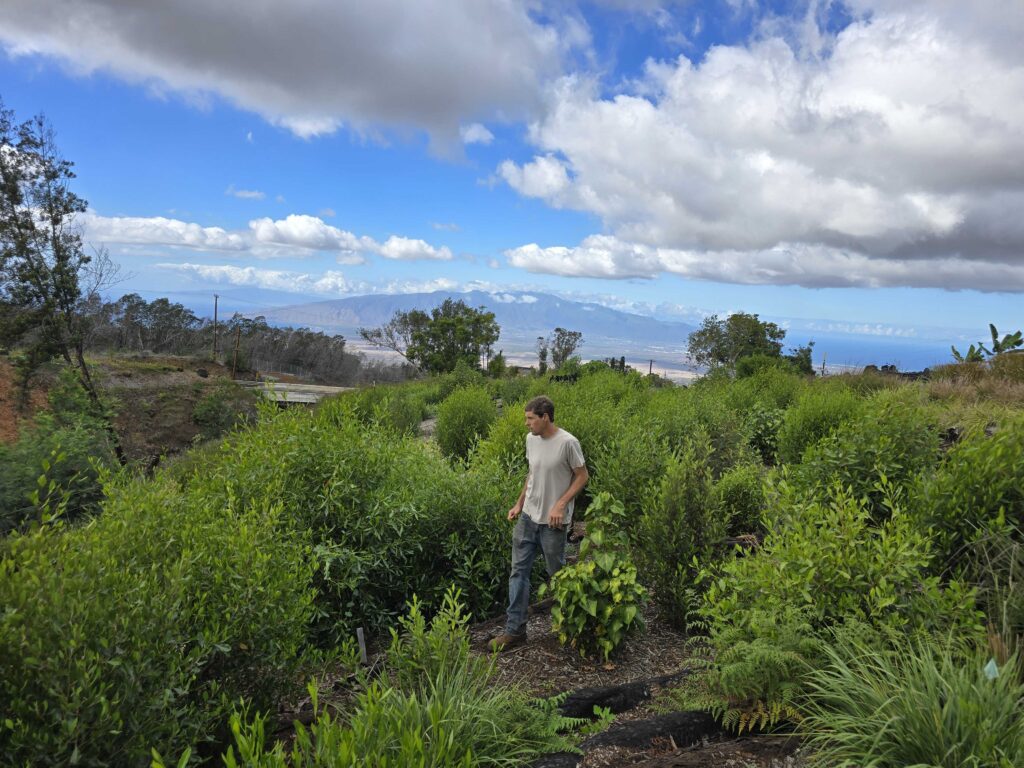
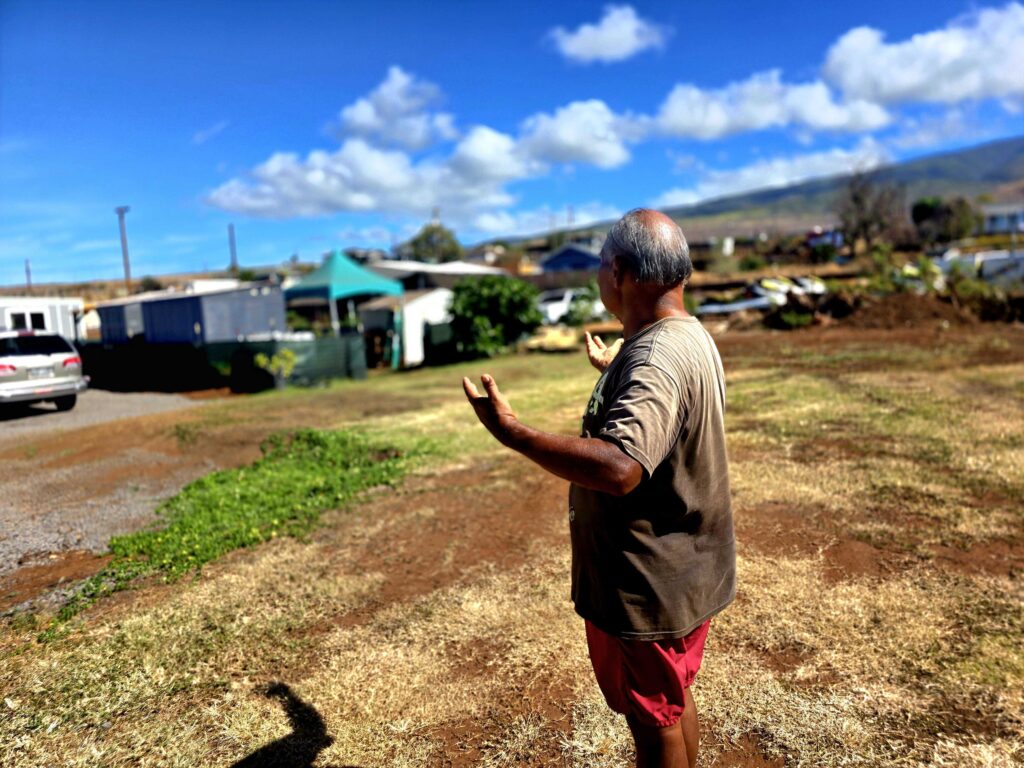
On August 8, 2023, two wind-driven fires struck Maui simultaneously. The Lahaina Fire killed 102 people and destroyed approximately 3,500 structures in the historic town of Lahaina — the deadliest U.S. wildfire in over a century. The Kula Fire burned upcountry, destroying roughly two dozen structures in a rural area. Lahaina was not only a residential community. It was a cultural center, a historic town, and the home of multigenerational Hawaiian and Pacific Islander families whose roots in this place cannot be separated from the recovery of the place itself. The measure of success is not simply how many structures are rebuilt, but whether the same ʻohana who lived there before can come home.
Why It Matters
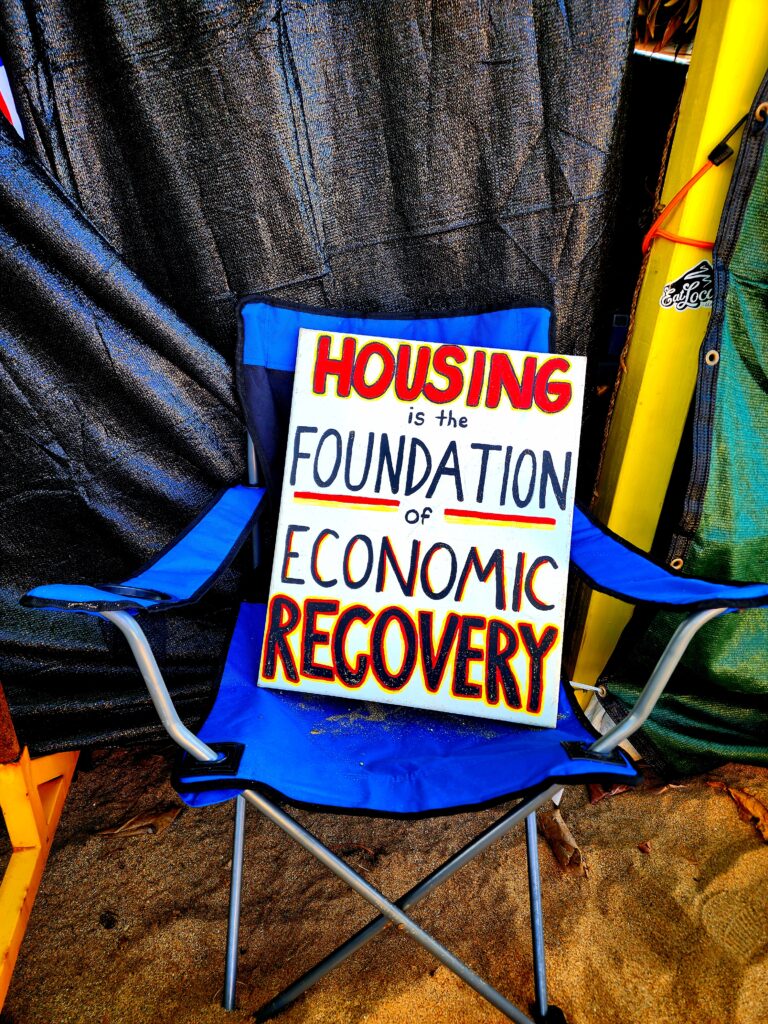
Lahaina is a cultural, historical, and systemic disaster on colonized Hawaiian land. Maui entered the fire with a severe housing shortage, longstanding water inequities, distrust of government, and deep concerns about displacement and land loss. Early in recovery, Maui County committed to a community-led, government-supported model.
“Success is not how fast we rebuild — it is whether our ʻohana comes home.” - Maui recovery principle
Quick Facts
Recovery Context
- Structures Destroyed
- Lahaina ~3,500; Kula (upcountry) ~2 dozen
- Fatalities
- 102
- Community Type
- Lahaina: Historic Town / Cultural Center · Kula: Rural Upcountry
- Infrastructure
- Constrained (island logistics)
- Demographics
- Multigenerational Hawaiian and Pacific Islander families; tourism economy; prior housing shortage
- Compensation Pathway
- Global settlement involving HECO, County of Maui, State of Hawaii, school district and others
- Philanthropy Scale
- Extremely high
- Key Constraint
- Land, culture, island logistics, displacement pressure, water governance
- Claimant Status
- Claimant Fire — global settlement
- Rebuild Progress (Apr 2026)
- 352 permits under review; 568 approved; 181 completed; 300 active construction sites; 456+ residential/multifamily units fully constructed
Recovery Status
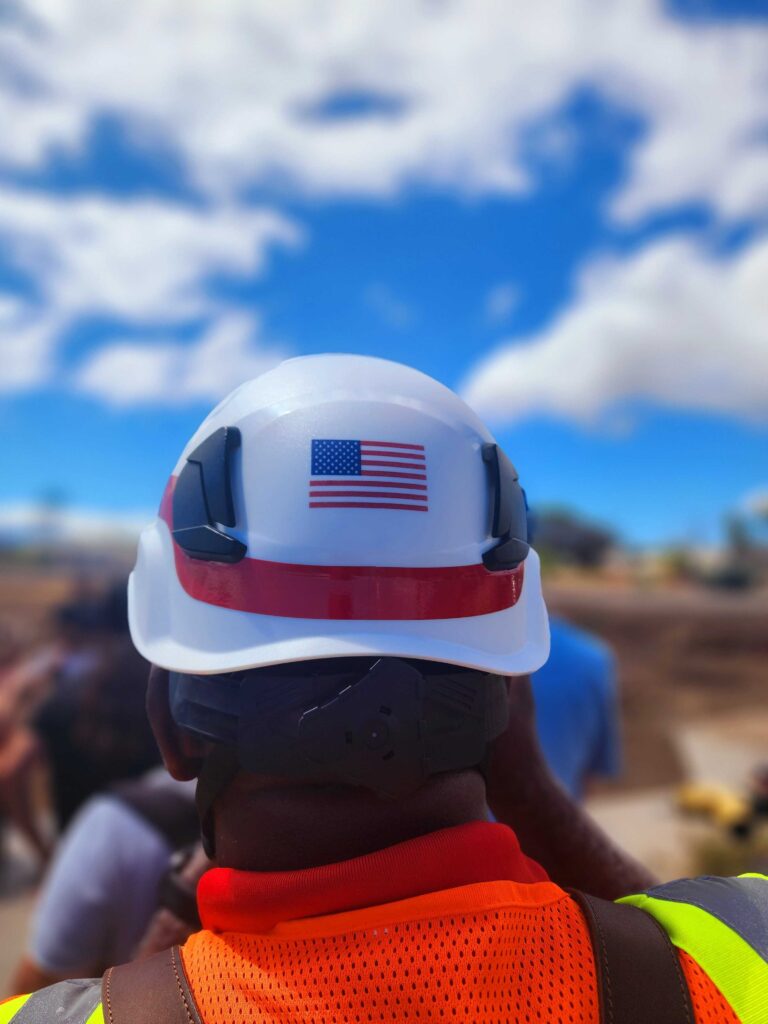
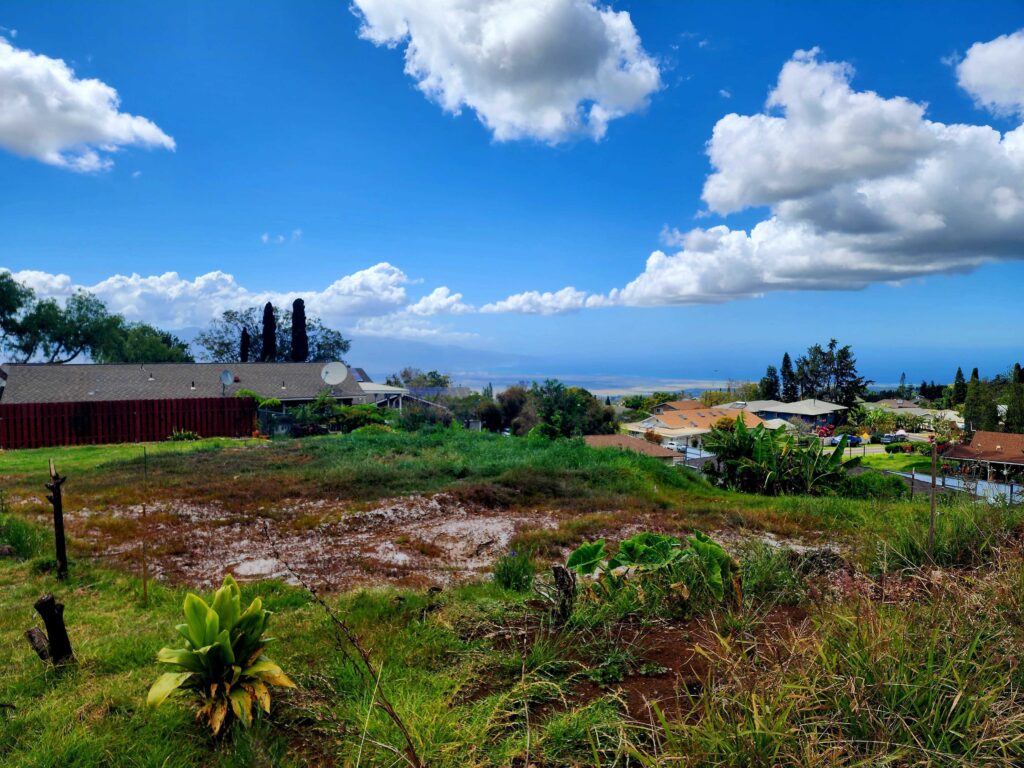
100% of residential and commercial parcels cleared of debris; 400,000+ tons of debris removed
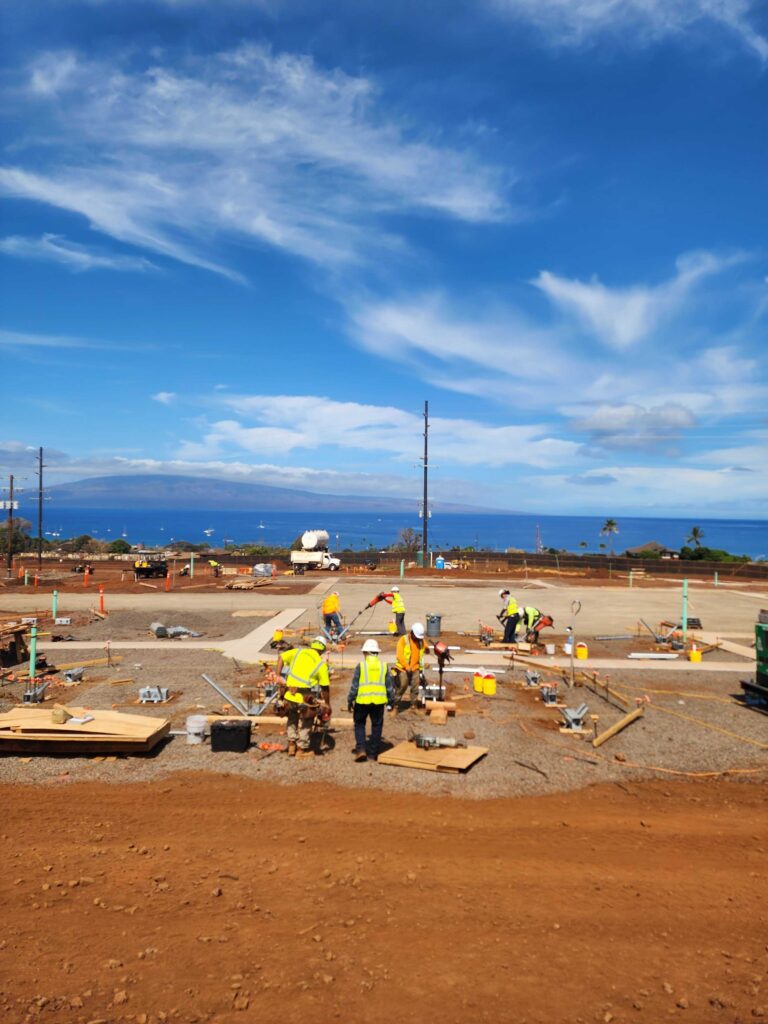
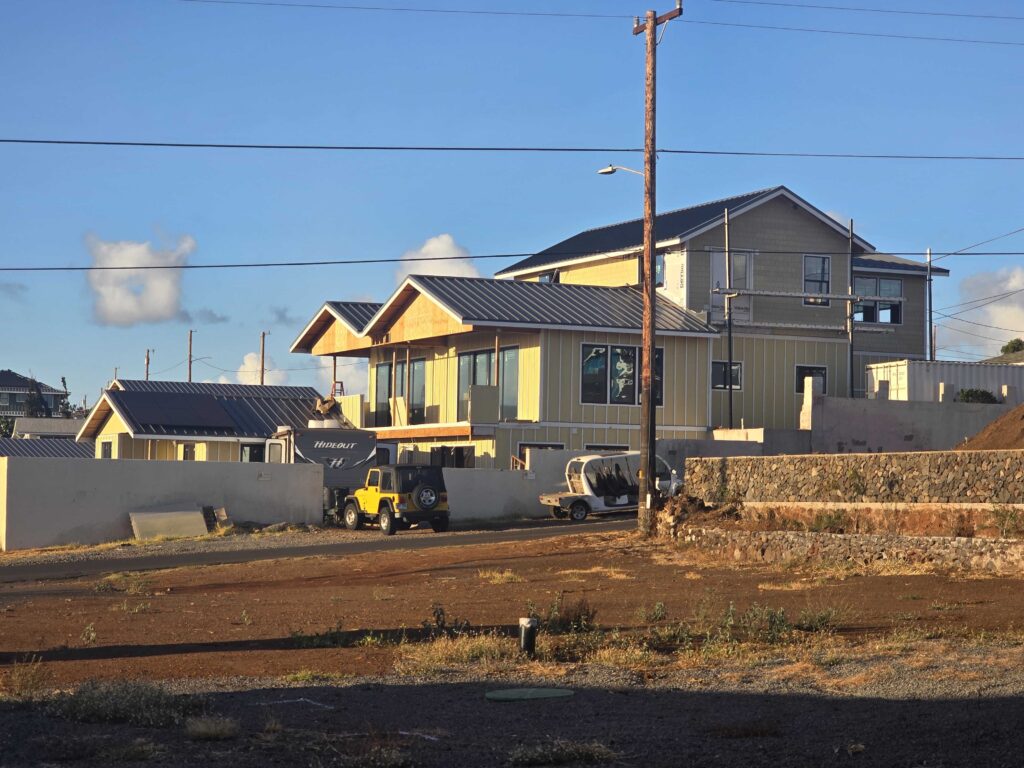
352 permits under review; 568 approved; 181 structures completed as of April 2026
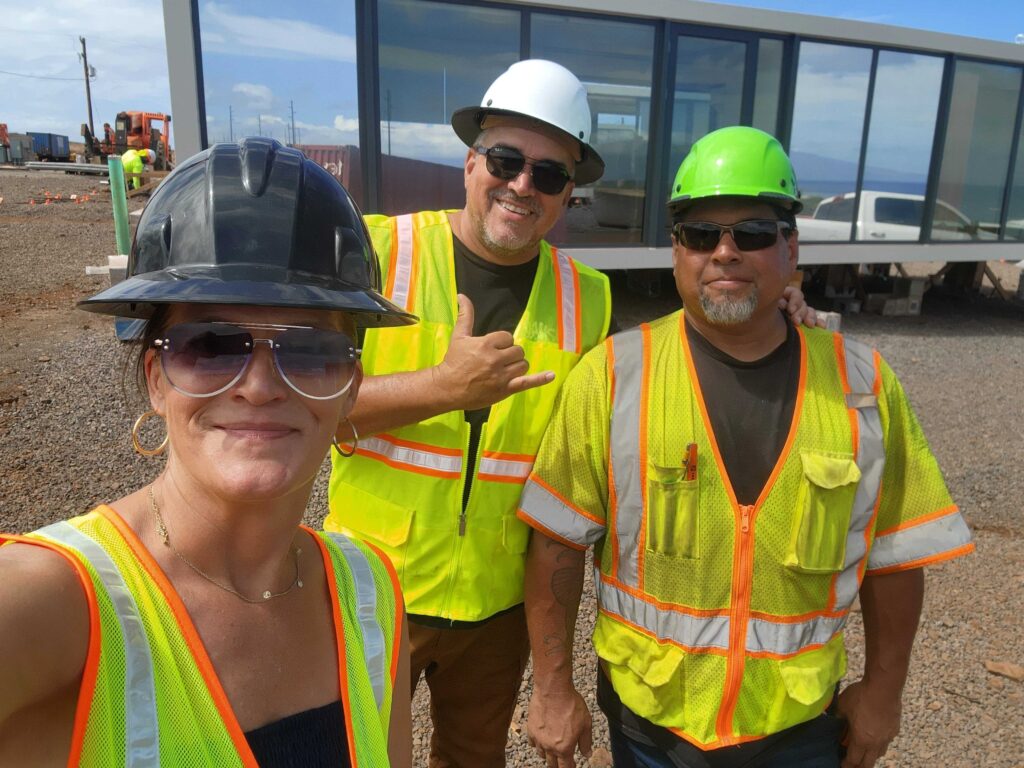
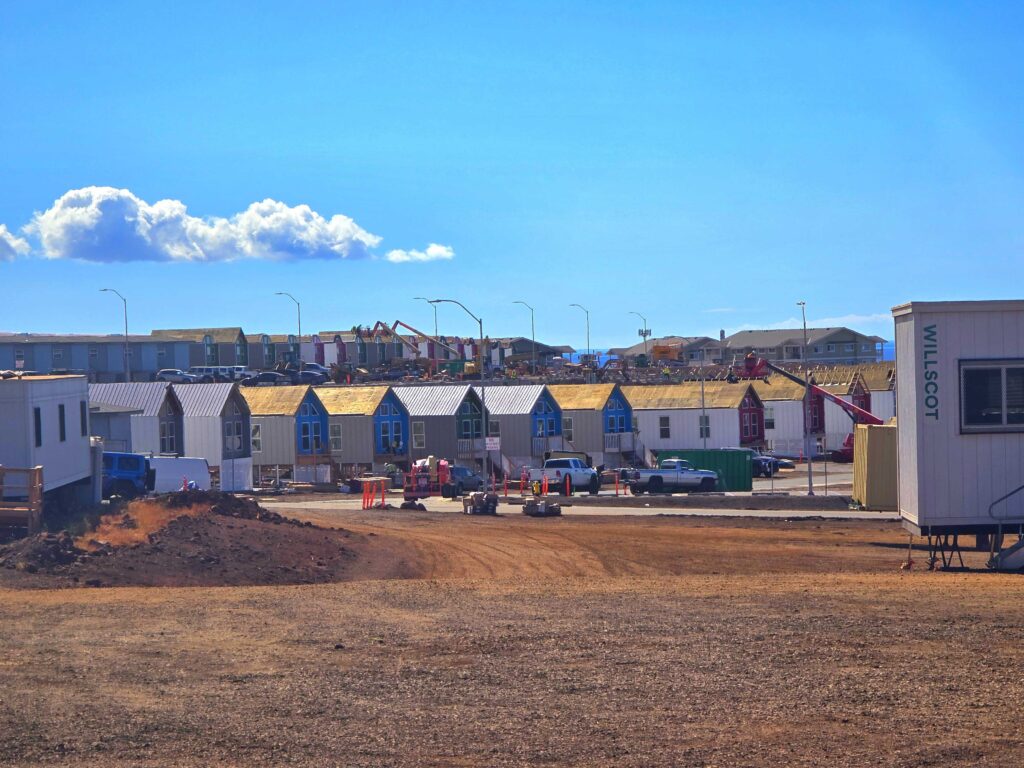
300 active construction sites; 456+ residential and multifamily units fully constructed in Lahaina Town
Commercial recovery remains slower than housing
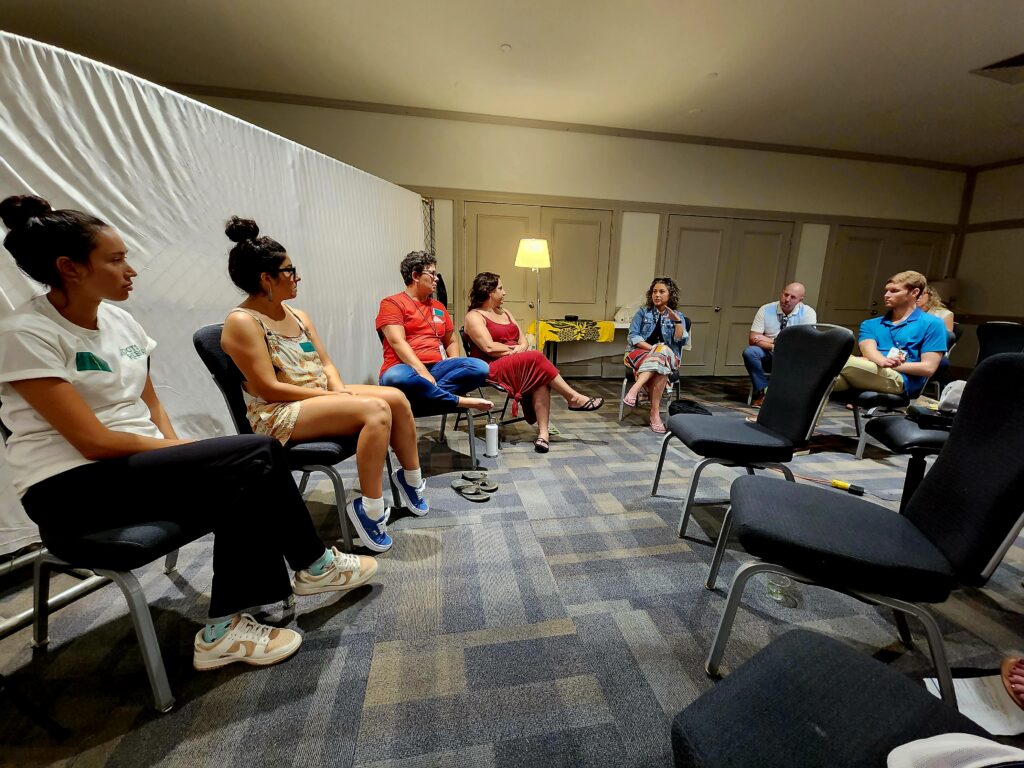
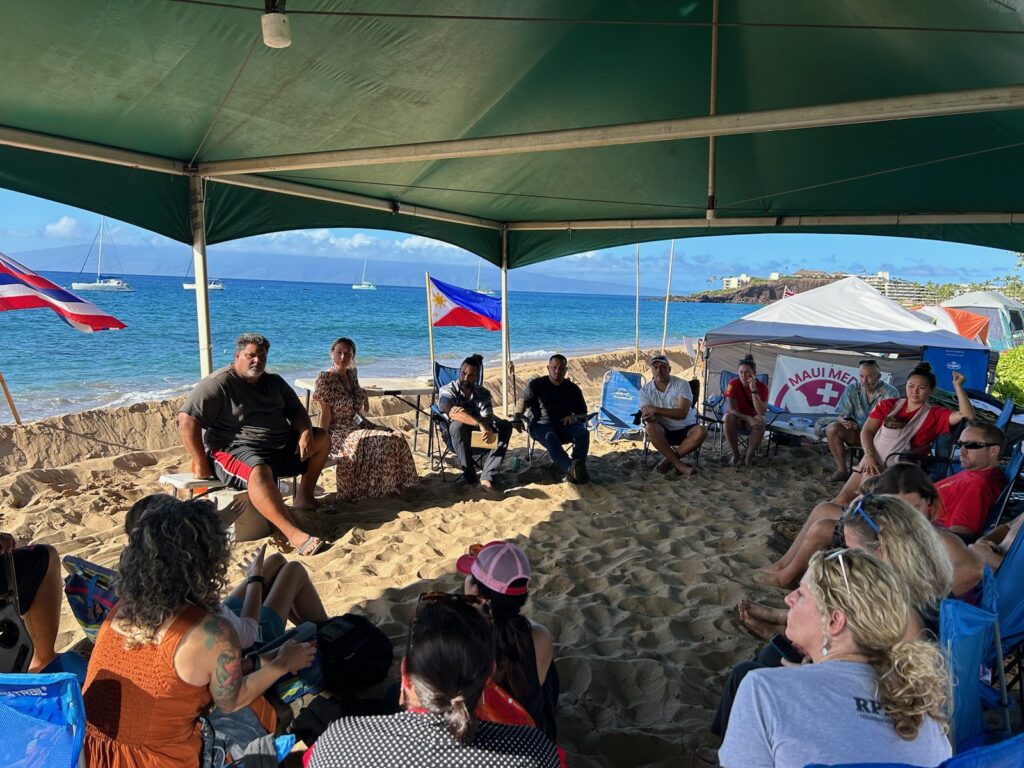
Weekly in-person community meetings continue — communication transformed from early failure to a recovery strength
FEMA entered community-created hubs rather than requiring survivors to come to formal sites — a significant adaptation
Best Practices
What Worked: Field-tested by After the Fire USA
Community-led, government-supported recovery — Maui County's guiding measure is whether ʻohana can come home; weekly meetings show follow-through |
Transformational local leadership — Mayor Richard Bissen’s administration transformed emergency management, communications, transparency, housing strategy, and water governance |
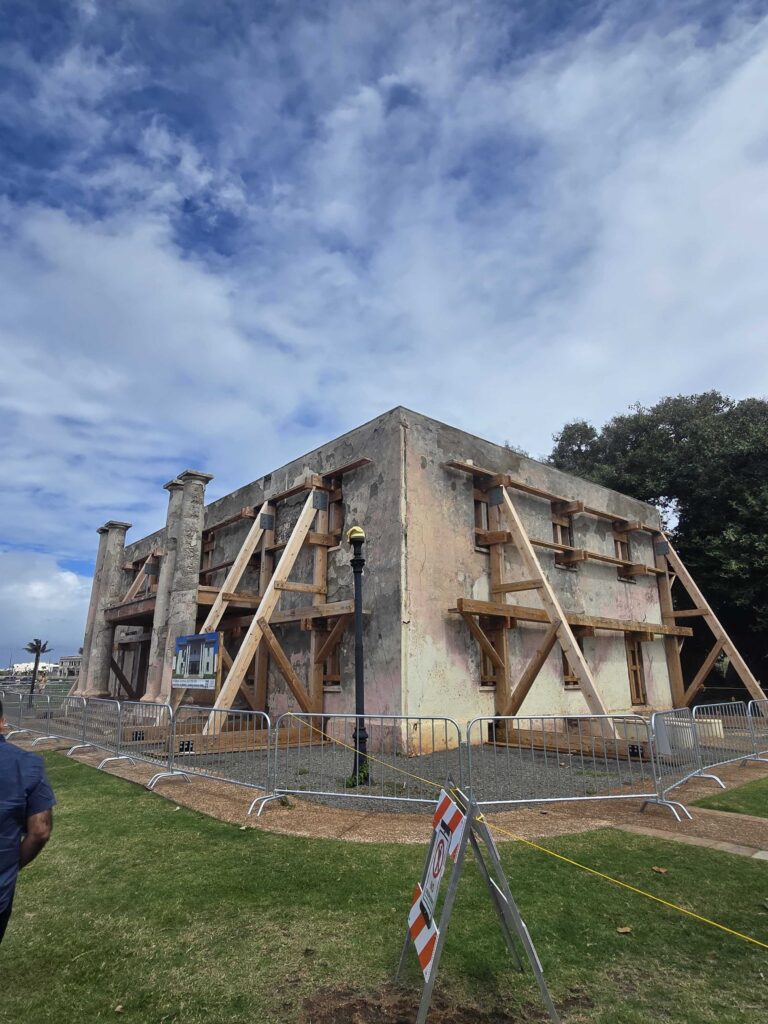
Structural corrections — Lahaina Community Land Trust, CDBG-DR first-time homebuyer assistance, water stewardship reforms, and restoration of Mokuʻula and Loko o Mokuhīnia |
Our Work
After the Fire USA: Our Work in this community
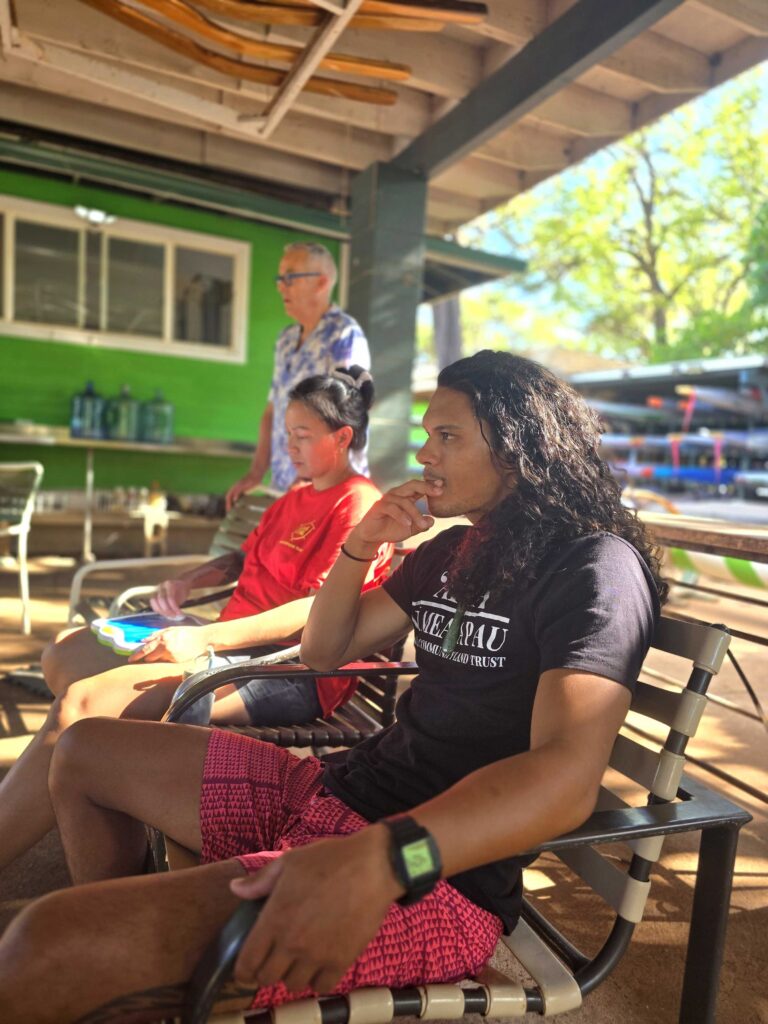
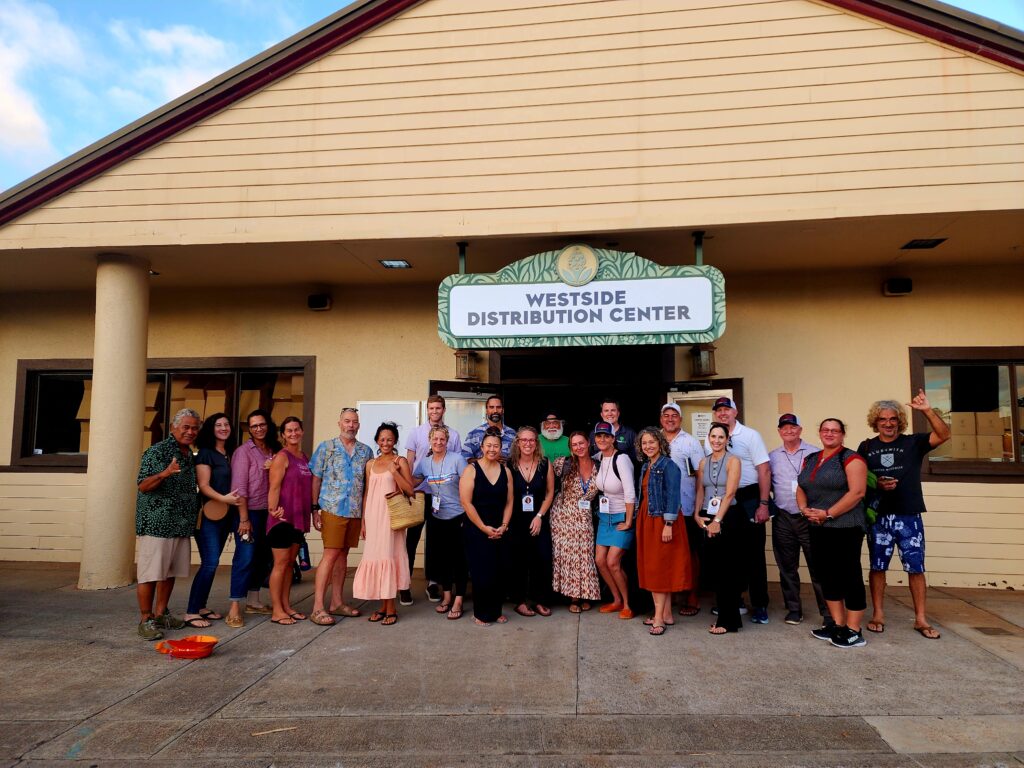
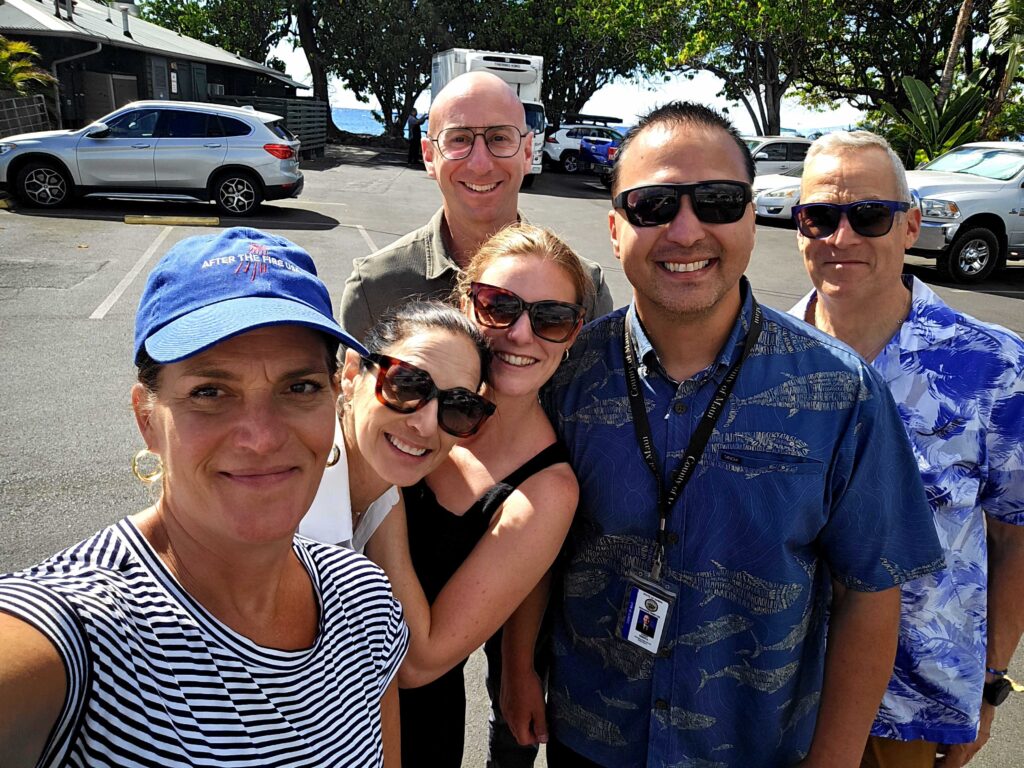
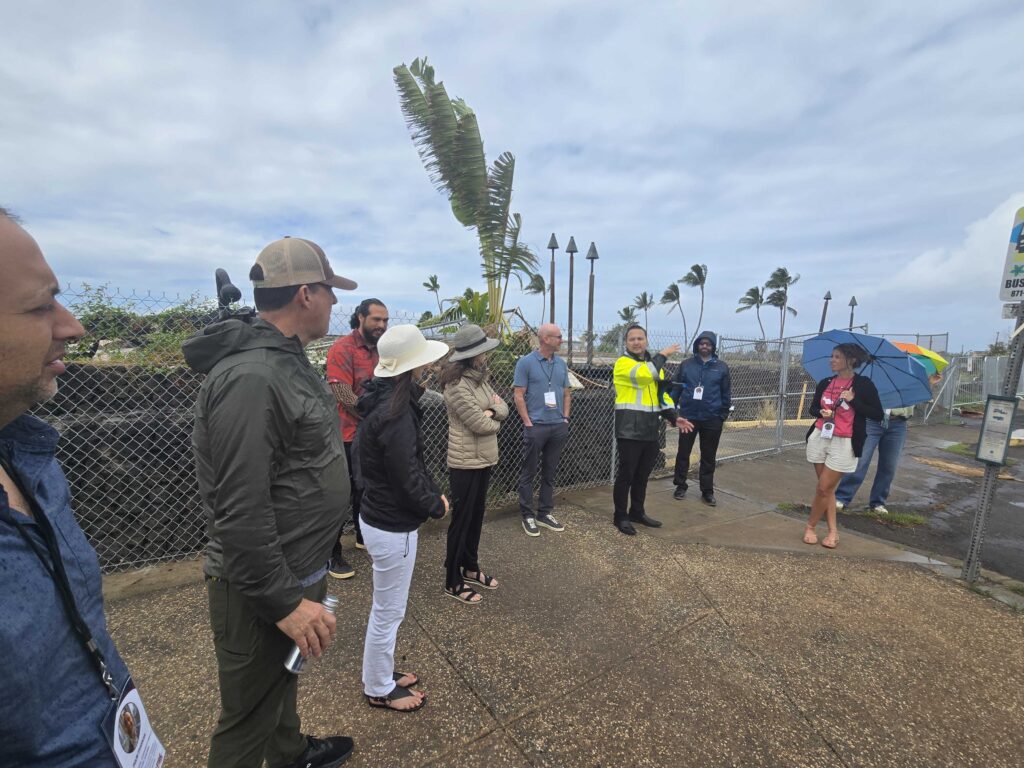
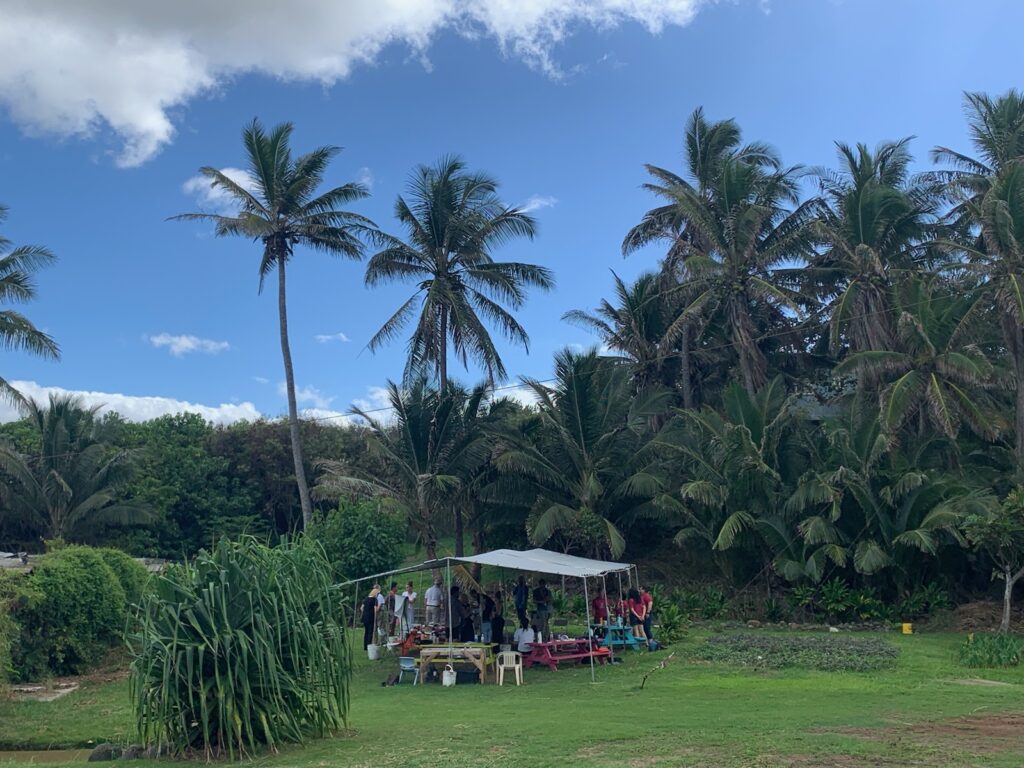
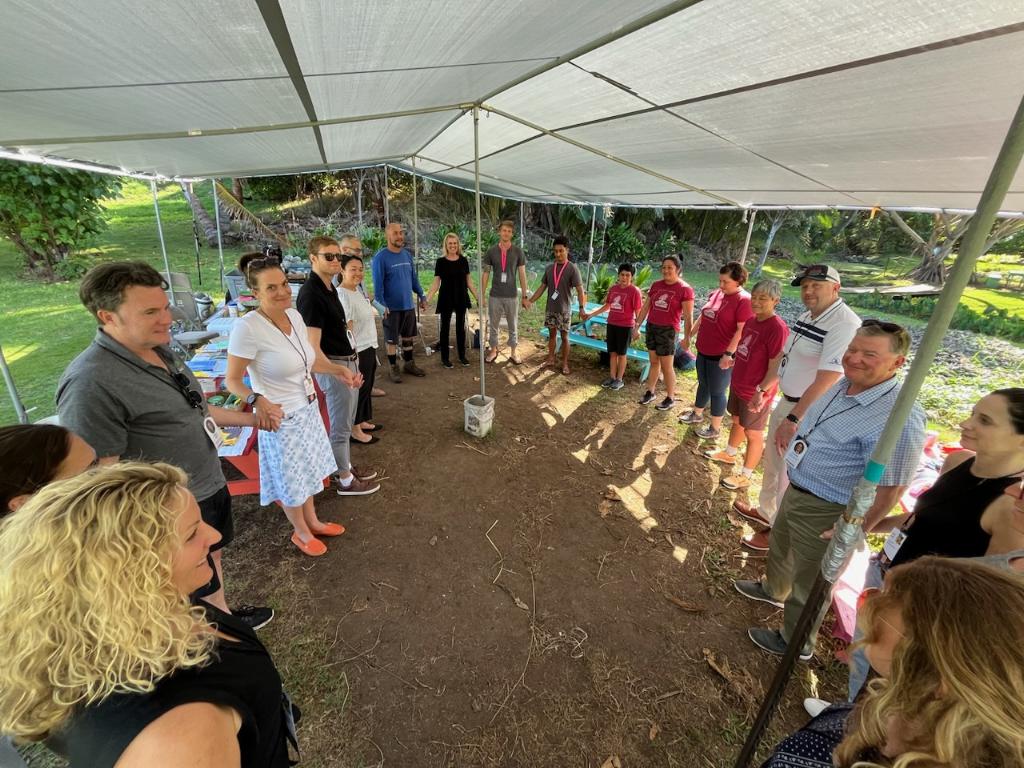
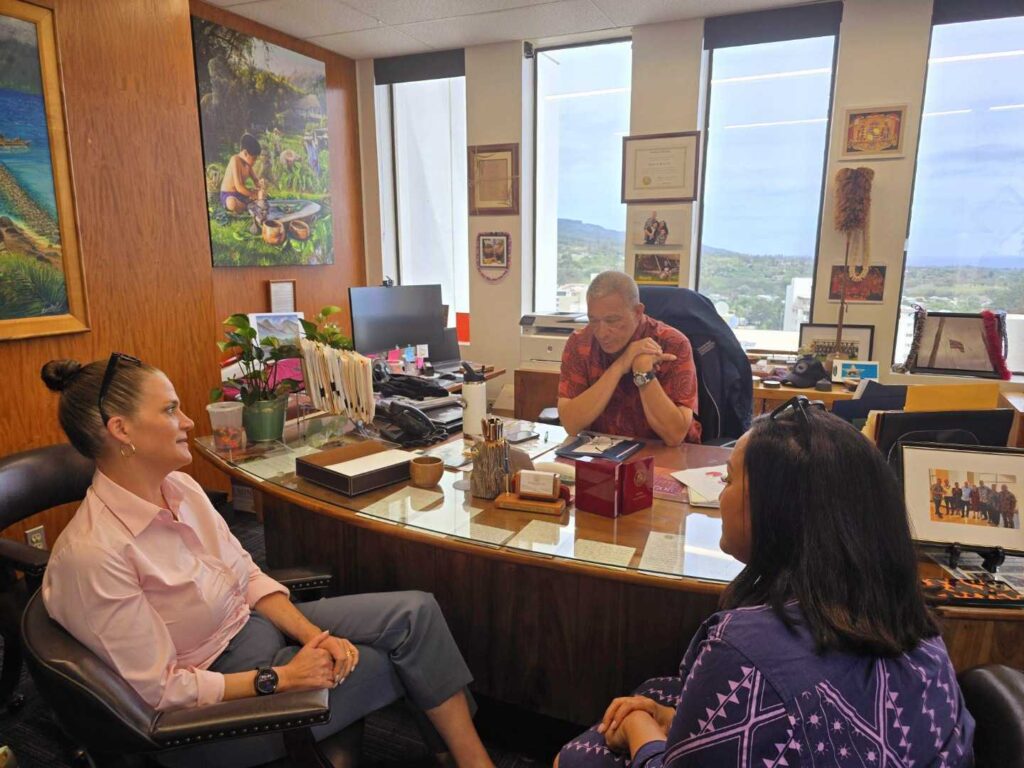
| After the Fire USA began working remotely with Senator Hirono's office on August 10, 2023, but waited approximately four months before entering Maui in person. The organization came gently, by invitation, with humility, and treated community trust as sacred. Since then, After the Fire USA has returned to Maui approximately 10 times, brought multi-sector delegations, convened leaders, answered questions, and connected Maui to other fire-impacted communities. In 2025, After the Fire USA flew a large group of Maui leaders to Sonoma County for the Wildfire Leadership Summit, creating a major community-to-community learning opportunity rooted in aloha and ʻohana. The organization’s role has been to listen, connect, observe, amplify, advise, encourage, and support at a moment’s notice. |
Links
Policy Takeaways
Success is not how fast we rebuild — it is whether our ʻohana comes home
Permitting capacity must scale immediately post-disaster — contracted surge support is faster than organic hiring
Recovery must be culturally grounded; cultural recovery is not secondary to physical rebuild
Land sovereignty and water governance are recovery issues, not separate policy domains
Survivor voice is not a nice-to-have — it is the prerequisite for recovery design that actually serves the community